

The WW2 Pacific Treasures of Kwajalein Lagoon by Dan Farnham PART 6 – The H6K ‘Mavis’ float plane wrecks of Ebeye Island
Aircraft wrecks, Interviews, WW2, WW2 Pacific Treasures, WW2 WrecksBy Pierre Kosmidis
Text, photos and additional information by Dan Farnhham, used by permission
CLICK THE LINKS BELOW TO READ THE FOLLOWING STORIES
The WW2 Pacific Treasures of Kwajalein Lagoon by Dan Farnham PART 1 – Exploring aircraft wrecks
The WW2 Pacific Treasures of Kwajalein Lagoon by Dan Farnham PART 2 – Warrant Officer Nobuo Fujita, the only man who has bombed the continental US and the story of the E14Y1 floatplanes found in a shipwreck
The WW2 Pacific Treasures of Kwajalein Lagoon by Dan Farnham PART 3 – “Gegibu Betty”, the Japanese G4M bomber found in an uninhabited island of the Pacific
The WW2 Pacific Treasures of Kwajalein Lagoon by Dan Farnham PART 4 – The Aichi E13A “Jake” wrecks of Ebeye island
The WW2 Pacific Treasures of Kwajalein Lagoon by Dan Farnham PART 5- The F1M2 ‘Pete’ wreck at the Shoei Maru
Locating and identifying WW2 aircraft wrecks: The Kwajalein Missing in Action (MIA) Project
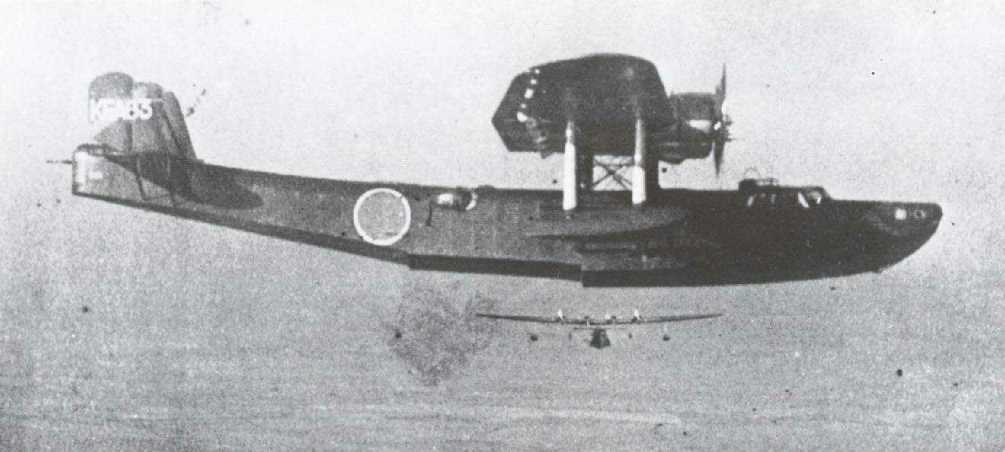
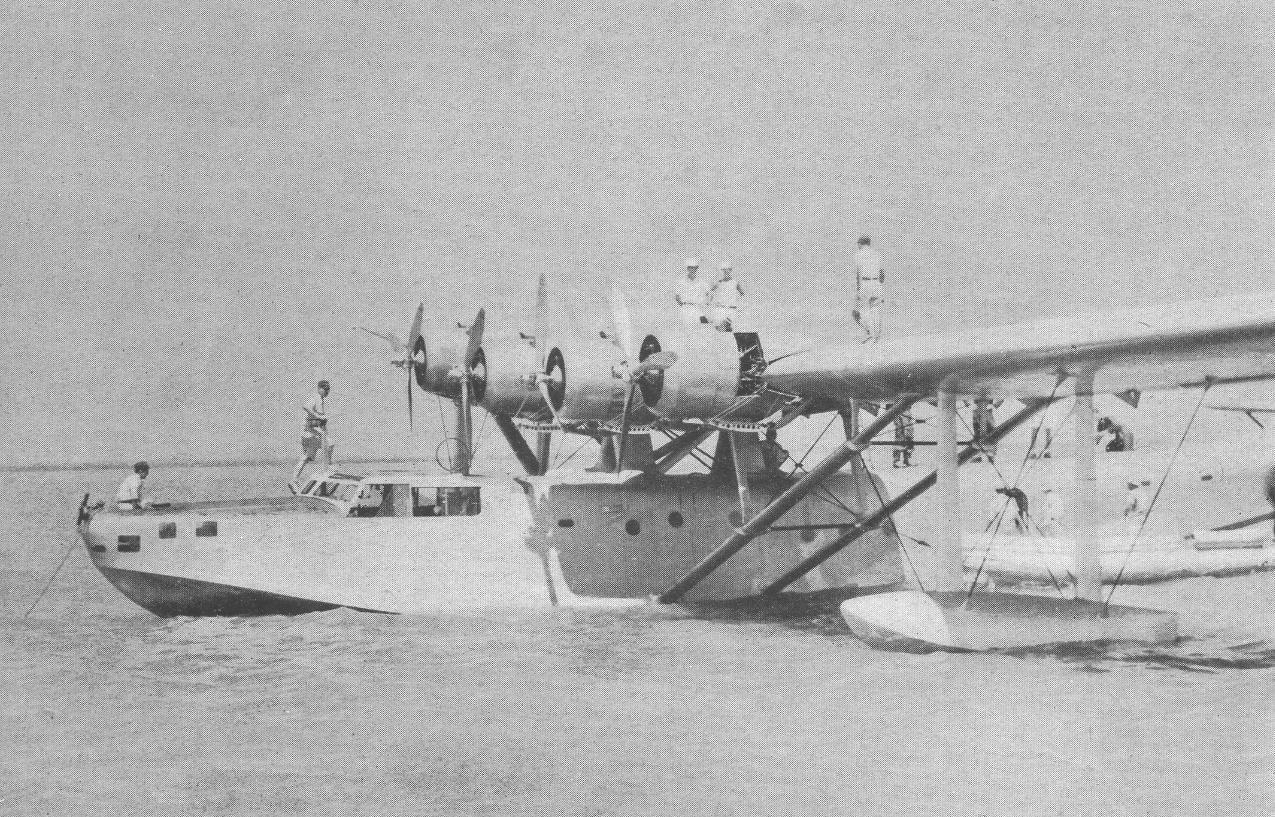
Designed in 1934 by the Kawanishi company, the ‘Type S’ was built in response to a Japanese Navy requirement for a long-range maritime patrol plane. Based on the design of the Pan-American S-42 flying boat, the ‘Type S’ was a large, four-engine monoplane with twin tails and a hull suspended beneath a parasol wing by a network of struts.

It had all-metal construction with fabric-covered control surfaces. The ‘Type S’ first flew on July 14, 1936 and the plane entered limited service in 1938.
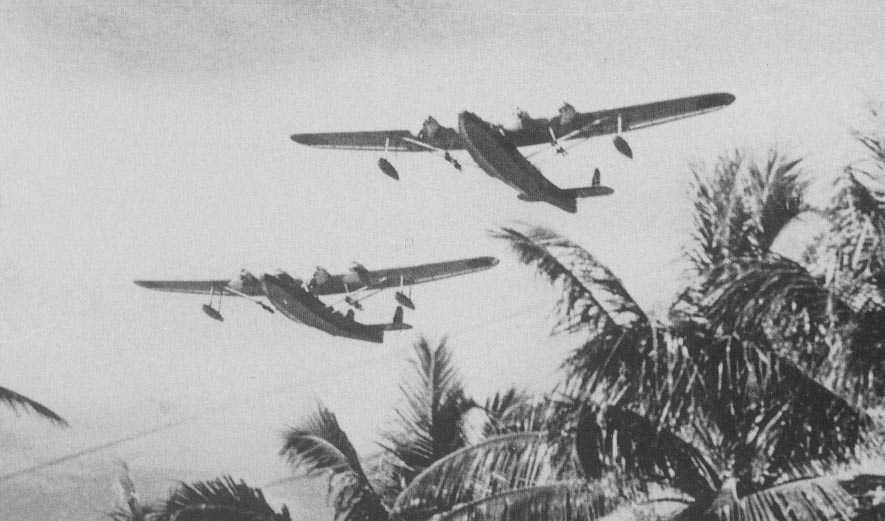
At the outbreak of the Pacific War, it was the largest aircraft in service with Japan’s armed forces, having a wingspan of just over 131 feet and a length of 84 feet.
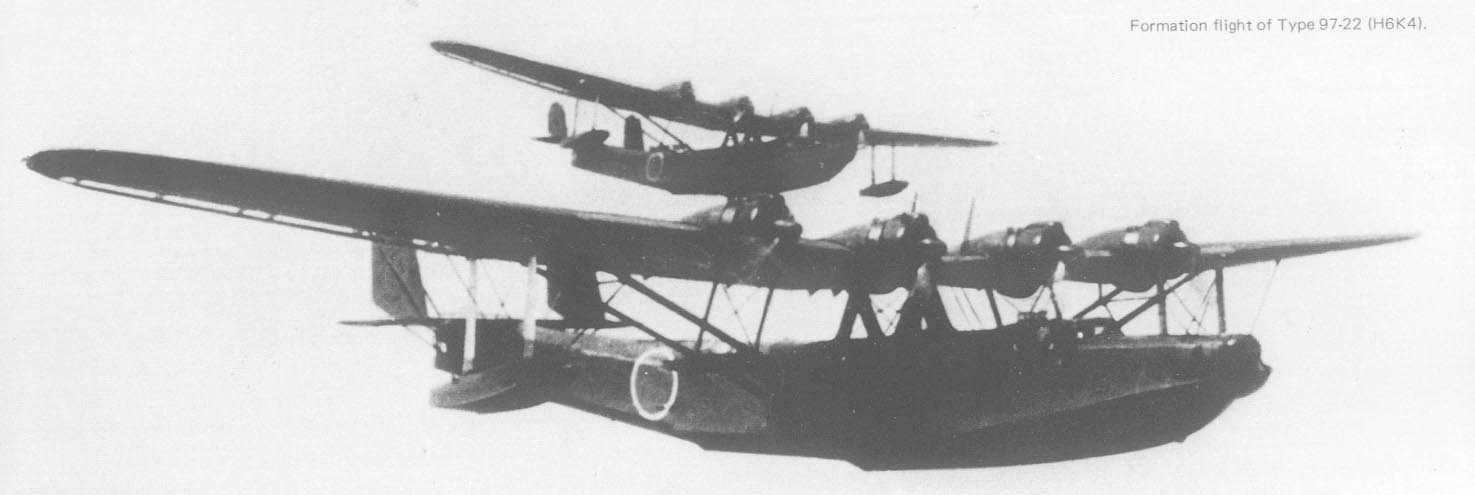
The Japanese Navy originally designated the plane the ‘Navy Type 97 Flying Boat’, and later when the Japanese adopted a short-designation system, it was given the designation H6K.

The ‘H’ was the project letter given by the Japanese Navy to flying boats, the ‘6’ indicated it was the sixth such design accepted into service by the Japanese Navy, and the ‘K’ stood for the manufacturer, Kawanishi. Numbers after the ‘K’ indicated the major production versions, such as H6K2, H6K3, and so forth.
Under the Allied code naming system which went into use beginning in 1942, flying boats were given female names, and the name chosen for the H6K was ‘Mavis’.
Several versions of the H6K were produced beginning with the H6K1, and the final production version was the H6K5. The H6K normally carried a crew of nine and was armed with up to five machine guns. It could carry two 1,764-pound torpedoes or just over 2,000 pounds of bombs attached to the parallel wing support struts.

The top speed was 211 miles per hour, and it had a range of just over 4,000 miles. The horsepower rating of the engines varied with the major production version, with later production versions carrying successively higher-powered engines.

Forty H6K’s were transport versions, and they were given the designations H6K2-L and H6K4-L, the ‘L’ being the letter assigned by the Japanese Navy to transport aircraft. A total of 215 H6K’s were built until 1943 when production ended.
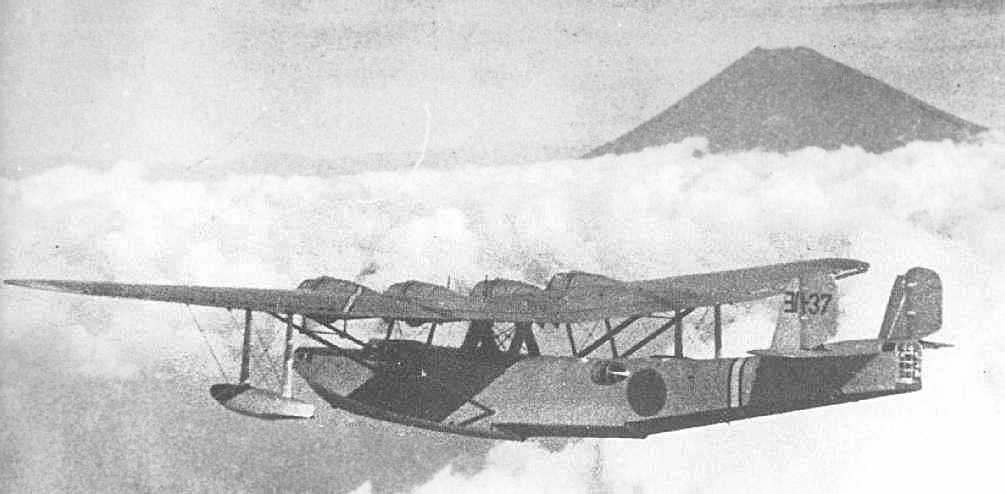
H6K’s were deployed from 1938 onwards, first seeing service in the Sino-Japanese War with China and they were in widespread use when the Pacific War broke out. In the first stages of the war, the H6K had success during the Southeast Asia and Southwest Pacific campaigns, performing bombing and long-range reconnaissance missions.

It had excellent endurance, was able to undertake 24-hour patrols, and was even used for long-range raids on Rabaul in Papua New Guinea, and the Dutch East Indies (today known as Indonesia). The endurance of the H6K was extremely valuable in patrolling the vast expanses of the Pacific.
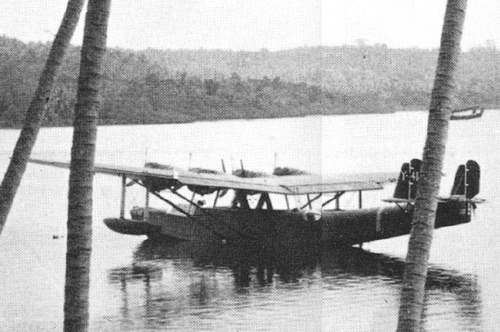
Because of the initial heavy defeats inflicted on the Allies in the early stages of the Pacific War, maritime reconnaissance duties became secondary to the need for air transportation of Japanese troops during the swift conquests in the East Indies and elsewhere. The transport versions of the H6K could carry 10 to 18 fully-armed troops.

But despite the early successes of the H6K, it proved vulnerable to enemy machine-gun fire when attacked by Allied fighters. The H6K, like most other Japanese aircraft in World War II, sacrificed important items such as self-sealing fuel tanks and armor protection for the crew and other vital points of the aircraft.
While these weight-saving measures gave the plane its long range and the ability to carry a heavy payload, it did nothing to protect it from attack by fighters. The small-caliber machine guns the H6K’s carried proved totally inadequate for defense. However, the H6K continued in service until the end of the war, in areas where the risk of interception by Allied fighters was low.

Among the units which operated the H6K was the Yokohama Air Group, re-designated in late 1942 as the 801st Kokutai (Naval Air Group). The 801st was assigned to the Marshall Islands area, and a detachment was based at Ebeye Island in Kwajalein Atoll. The H6K’s were responsible for both transport and patrol duties around Kwajalein Atoll, and the Marshall Islands as a whole.
On February 1, 1942 American carrier planes raided Kwajalein Atoll for the first time, and two H6K’s at Ebeye were claimed as destroyed by American aircrews.

The second raid by American carrier planes took place on December 4, 1943 and a third H6K moored off Ebeye was strafed and sunk. The third H6K was captured in a strike photo while still burning on the surface of the water.

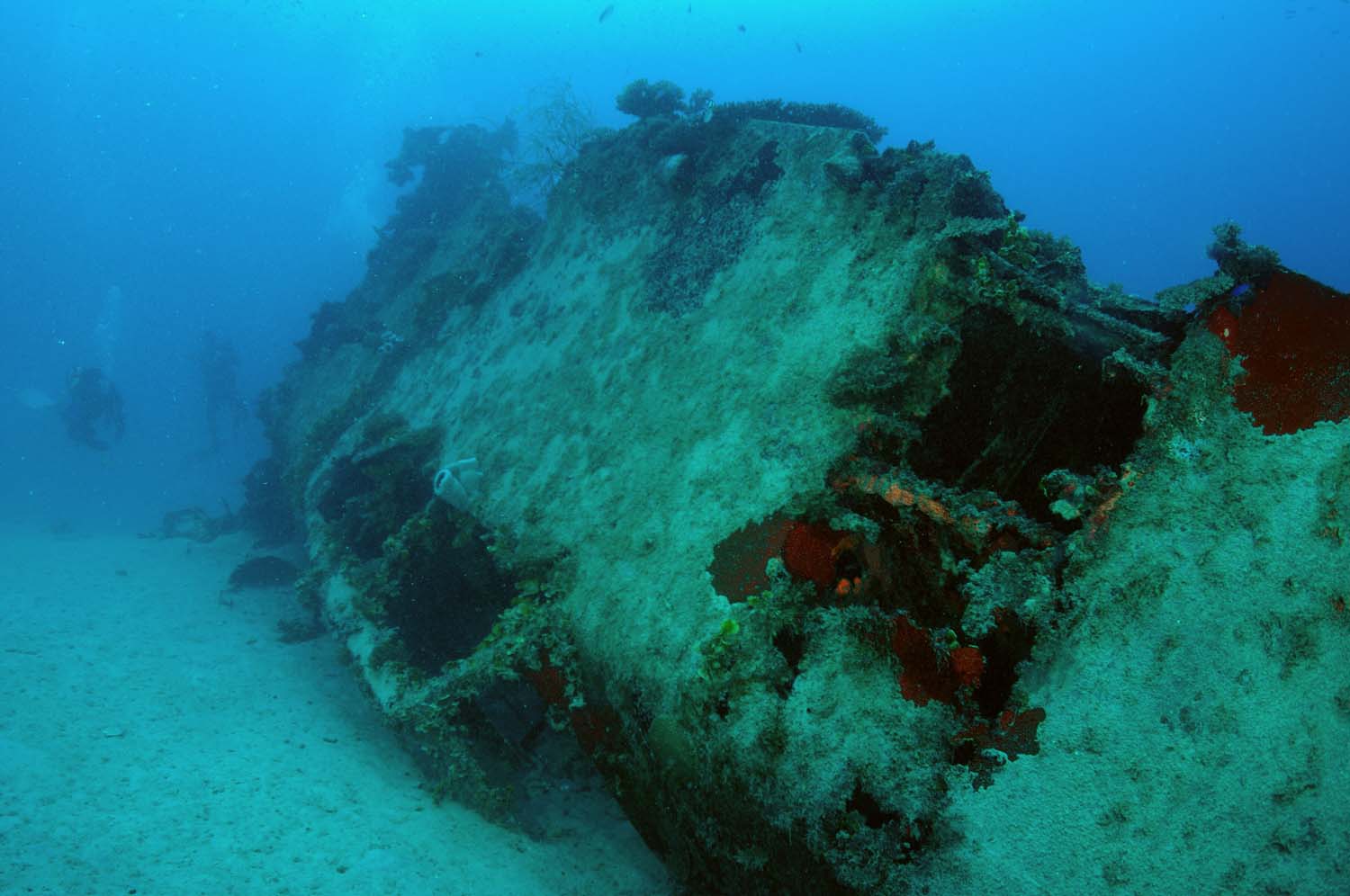
Today, two H6K wrecks are easily accessible for diving. The first one, called ‘Mavis #1’ by Kwajalein divers, lies in about 80 feet of water near the old seaplane ramp, which is now the site of Ebeye’s fuel farm.
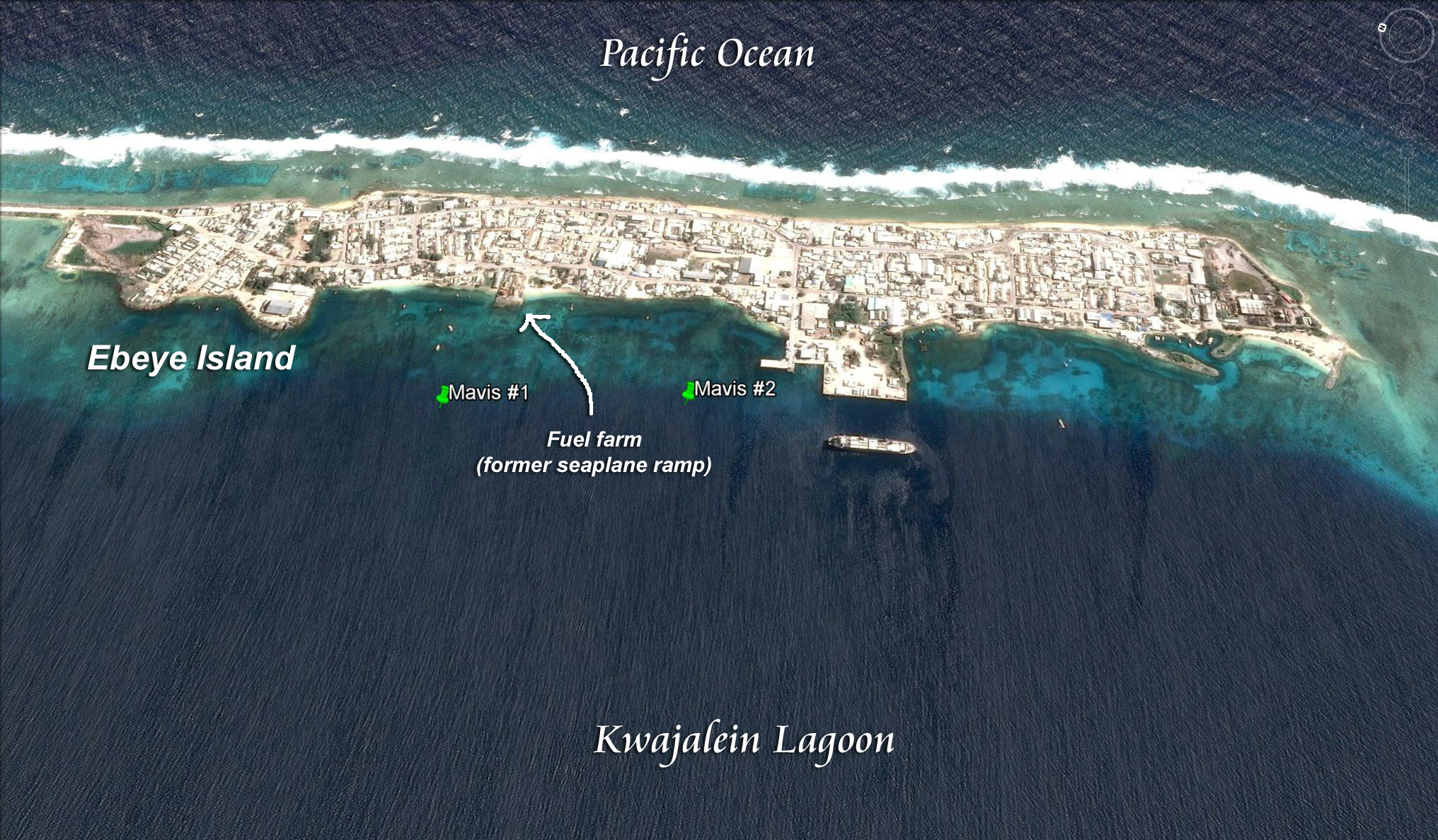
The wreck was found in 1965, not long after scuba diving was introduced to Kwajalein, and it is the one that was photographed burning on the water during the December 4, 1943 raid.

The forward section of the plane, including the wing, are all that remain today of the main part of the plane. The section of the fuselage behind the wing, and the tail section, are nowhere to be found. Two of the engines lie near the wreck, one in front and one behind. Visibility is usually not very good at this site.
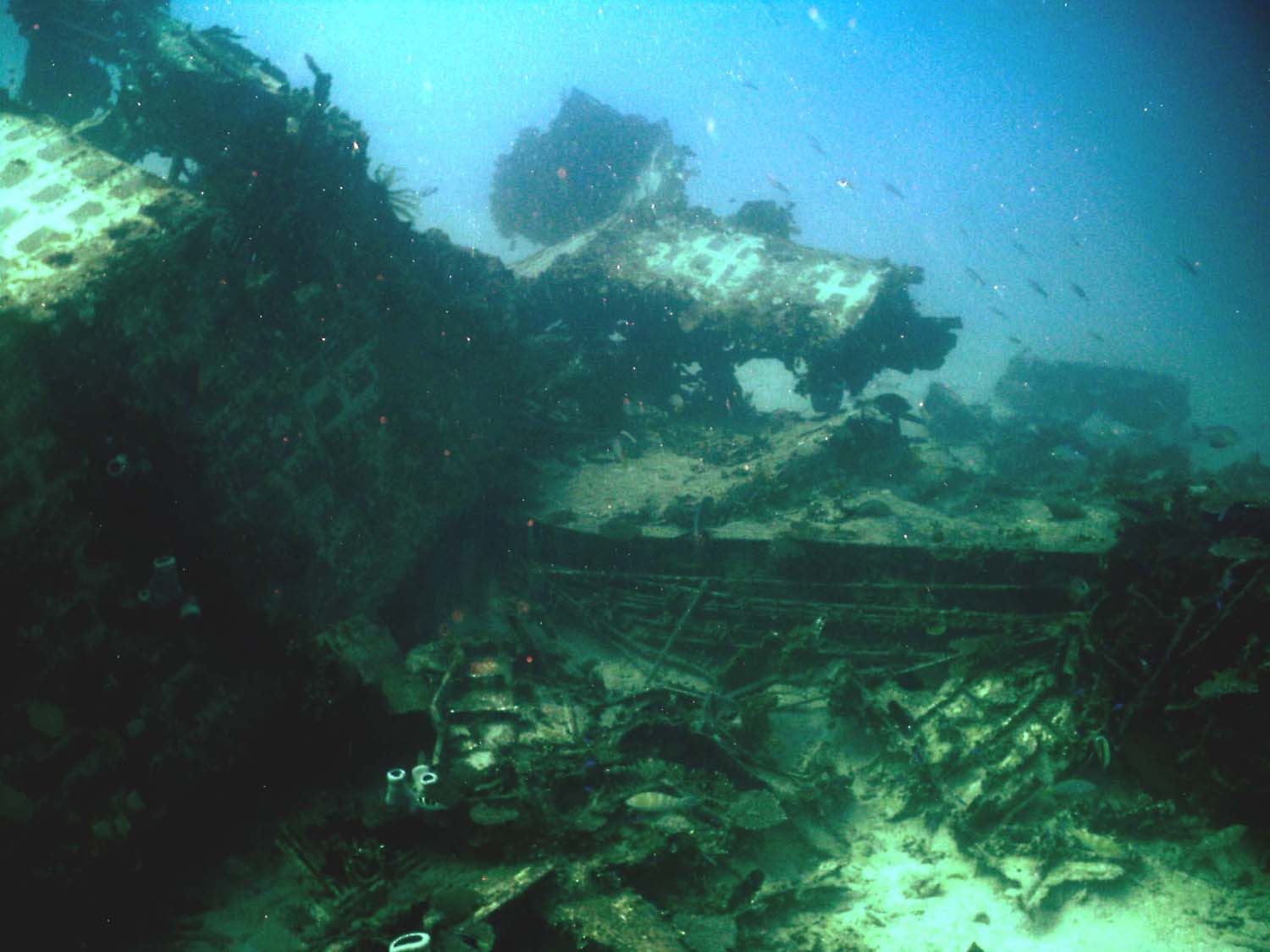
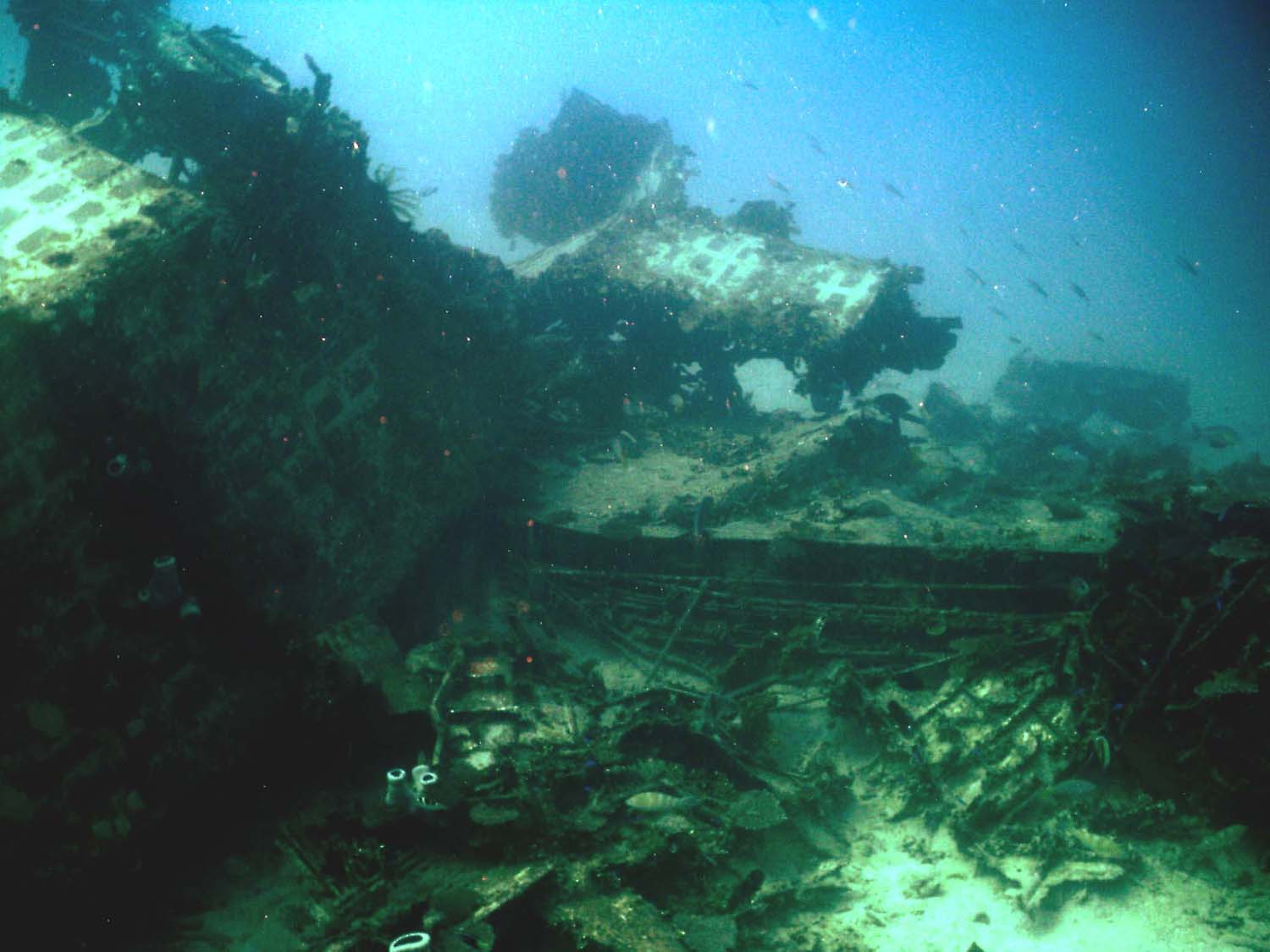
The second H6K wreck, called ‘Mavis #2’ by Kwajalein divers, lies about 400 yards further south near the Ebeye ferry pier. This wreck was also found in 1965. The majority of the wreckage, consisting of the wing and all four engines, wingtip floats, and sections of the fuselage, is lying in 55 feet of water.

The wing support struts are also present, although scattered around the wreck site. Another section of the fuselage lies about 100 feet away, down the slope of the reef, in 75 feet of water.

There is more wreckage to be seen on the ‘Mavis #2’ wreck, although it is more of a pile than the ‘Mavis #1’ wreck. This is mostly due to the topography of the lagoon bottom at this site.

Ironically, this means that even though there is more wreckage present at this site, the ‘Mavis #1’ wreck is actually the preferred dive between the two.

Even though neither of the H6K wrecks are completely intact, having two examples of the plane to dive on still adds to the enjoyment for Kwajalein divers who are history buffs.

While it was not built in large numbers, the H6K was still an important aircraft for the Japanese Navy in World War II and fulfilled a vital role wherever it was used.
