

FOUND! The Killed in Action crew of the Aichi D3A1 “Val” of Papua New Guinea
WW2 Pacific TreasuresBy Pierre Kosmidis
Rod Pearce has dedicated his time and efforts finding underwater aircraft wrecks and seeking closure to the families of hundreds -if not thousands- of Missing in Action (MIA) airmen from all nations that fought during World War Two.

Rod has been diving in Papua New Guinea for 40 years and is credited with discovering most of its best underwater wrecks, including B-17F “Black Jack” 41-24521 and co-finding s’Jacob, along with many other WW2 shipwrecks and aircraft.
One Japanese aircraft Rod explored is an Aichi D3A1 Navy Type 99 Carrier Bomber Model 11, codenamed “Val” by the Allies.

After diving at the aircraft wreck, Rod found the remains of both Japanese aircrew who went down to the seabed with their aircraft, when they unsuccessfully attempted to ditch it close to the beach and immediately notified the Embassy of Japan for the repatriation of the remains.
As Rod says, “I remain committed to seeking closure for the lost airmen of both Allied and Axis forces in and around Papua New Guinea and I am hoping in this case that both crew members can be identified and their next of kin notified. With the possibility of the makers’ plate being located once the remains are removed I feel certain that a positive ID can be made, especially as complete records for the 582 Air Group exist in Japan”.
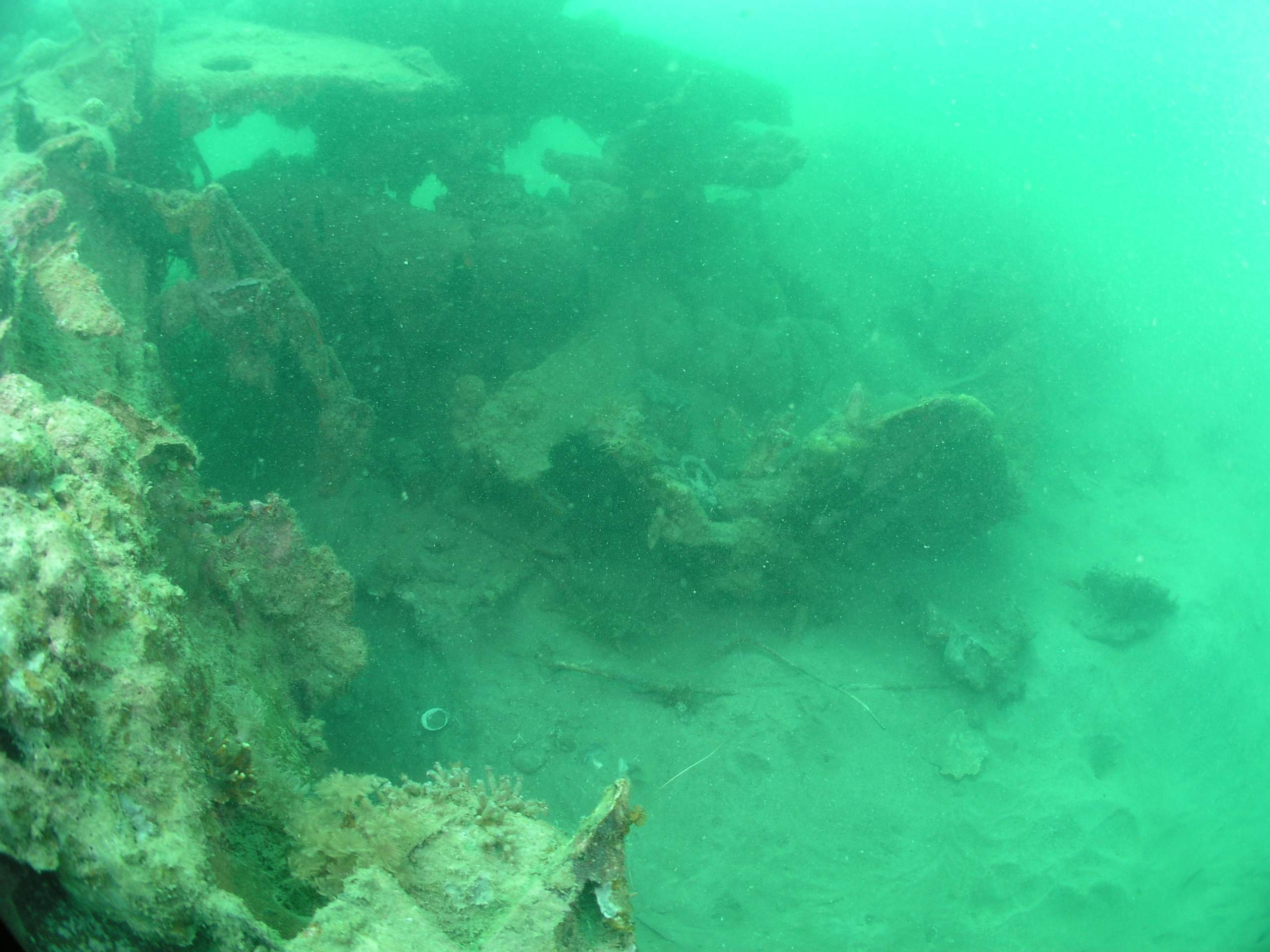
Here is the story of the Aichi D3A1 Navy Type 99 Carrier Bomber Model 11 “Val”, in Rod’s words:
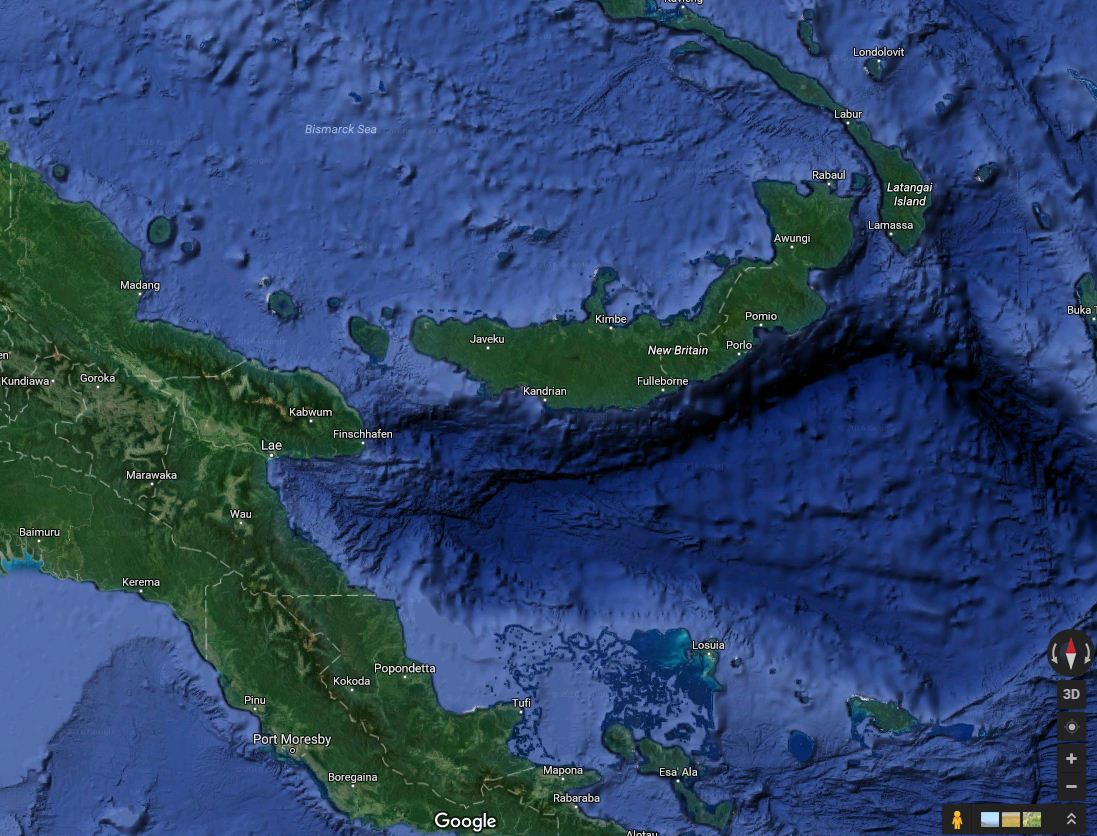
“In 2001 a local informed Mark of a crashed aircraft in the water at the Arawe Islands and he would show Mark the crash site.

After a number of hours of fruitless searching Mark went back to the area they had first started to search with his sons whom he then towed behind their boat with their googles and flippers.
After about 45 minutes the boys started yelling ”we found it!” After anchoring and kitting up Mark then took his sons for a very exciting first dive looking at this fantastic air wreck.
Initially Mark and his sons had no idea what kind of aircraft it was but when returning home that night they looked in every book they had with a picture of an aircraft in it.
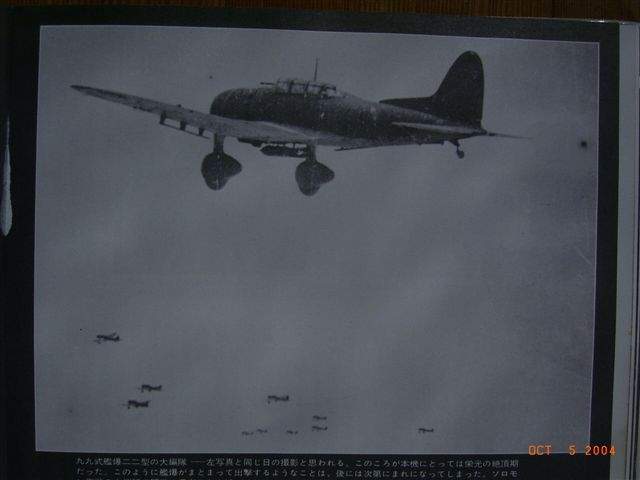
Remembering some distinguishing features of the aircraft they soon decided that it must be a VAL. Mark has commented to me that having returned to the site a number of times the water has never been as clear as it was that first day.
When Mark informed me of his find and his identification of the aircraft, I decided while on a charter to the Arawe area to pay the aircraft a visit.
The aircraft lies in seven meters of water and 2 miles from the outer Arawe Islands. When I first dived, the visibility was excellent for that particular area but I had no camera equipment to record the find.

On examining the aircraft in detail I found that it was an Aichi D3A1 Navy Type 99 Carrier Based Bomber.
She had obviously tried to make a water landing after what appears to be battle damage and with her fixed undercarriage somersaulted on contact with the water.
She has come to rest upside down with one landing gear intact and the other sheared off, although the hydraulic ram remains.

The aircraft lies on her left side with a broken back and severe damage to the front of the plane resulting in the engine turned from its mounts and lying under the wing on the right side.
Both the 7.7mm machine guns in the cockpit are badly bent resulting from the crash. Her back is also broken just behind the observer’s seat but apart from the obvious damage it is fairly well intact. Both soft and hard coral has now grown around certain parts making it a colourful dive and alive with fish life.
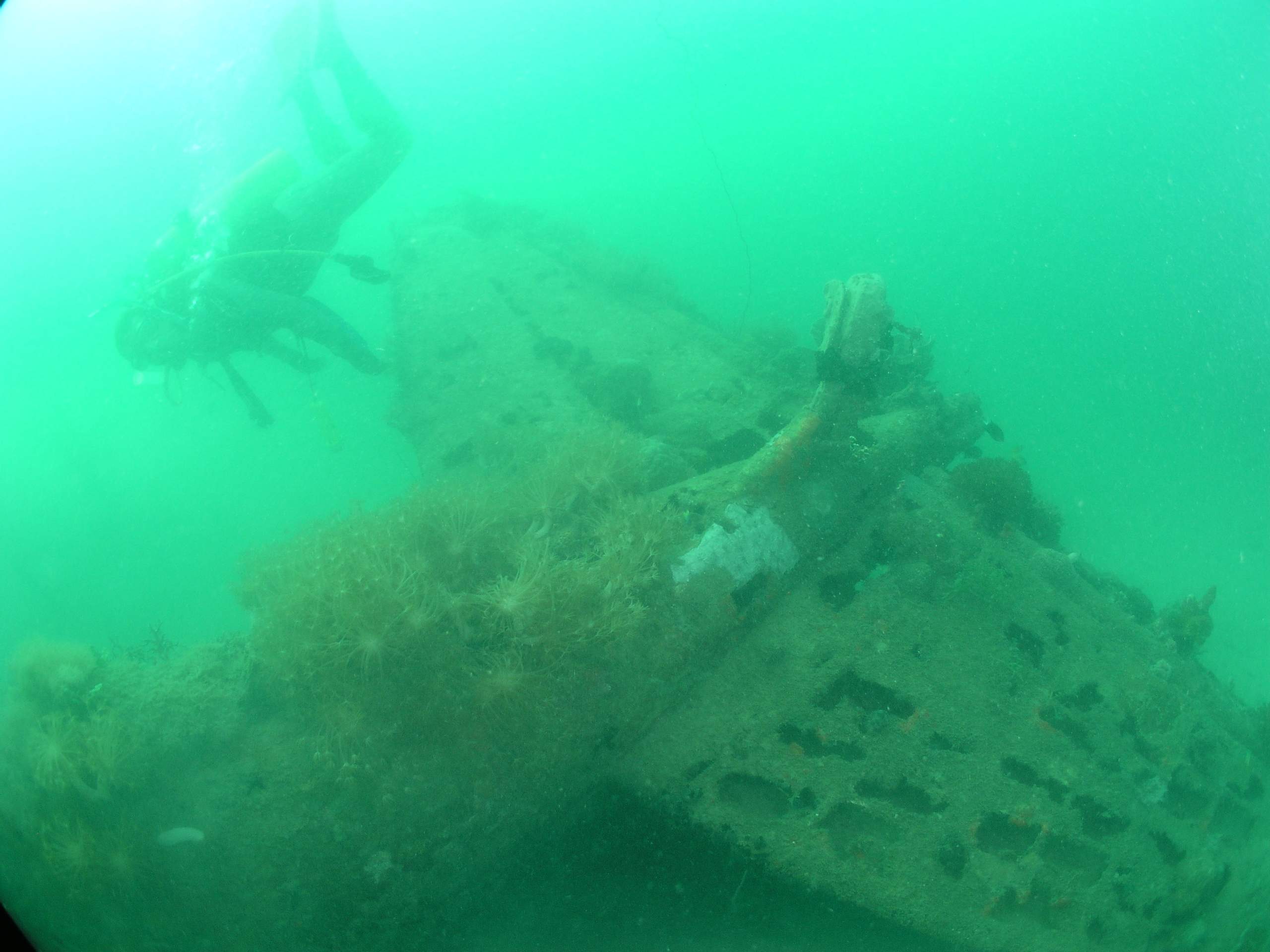
It was soon quite obvious that both crew members would not have survived this incident unless having bailed out prior to impact.
On closer examination of the cockpit I found human remains, and at this point decided to notify the Japanese embassy in Port Moresby to see if they were interested in doing a recovery.

The makers plate on the tail hook of the plane was photographed for identification as were the remains, and along with maps of the area was promptly provided to the Embassy.
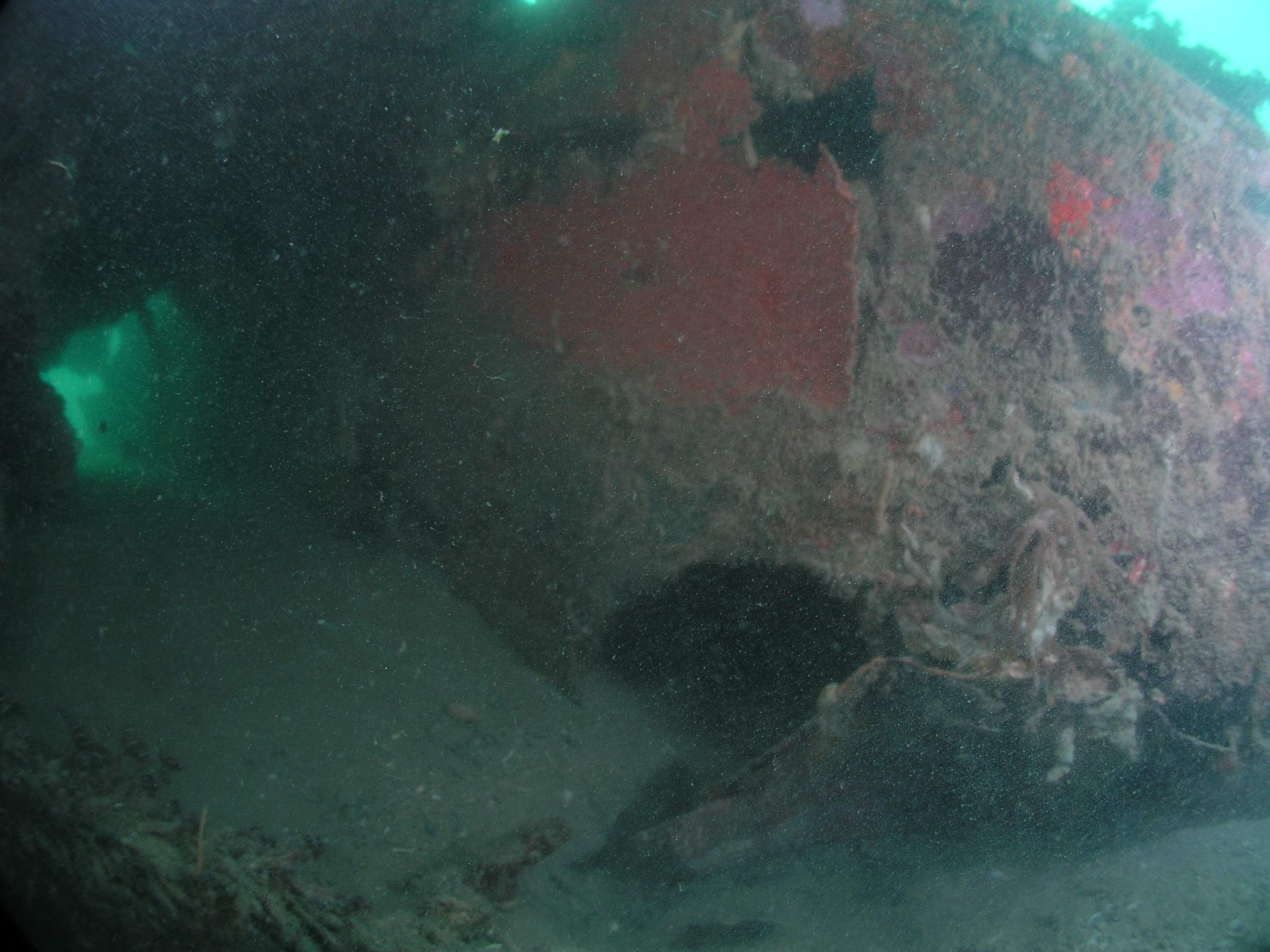
As I was again in the Arawe area during May 2005 and again dived on the Val to do a feasibility study for the Embassy as they had indicated that a recovery was possible, but would be at a later date.
I also wanted to see if the observer was still in his compartment and on fanning the silt away with one hand I came across the remaining crew member not two centimeters beneath the silt. This was photographed as proof for the Embassy that the second crew member had been found.
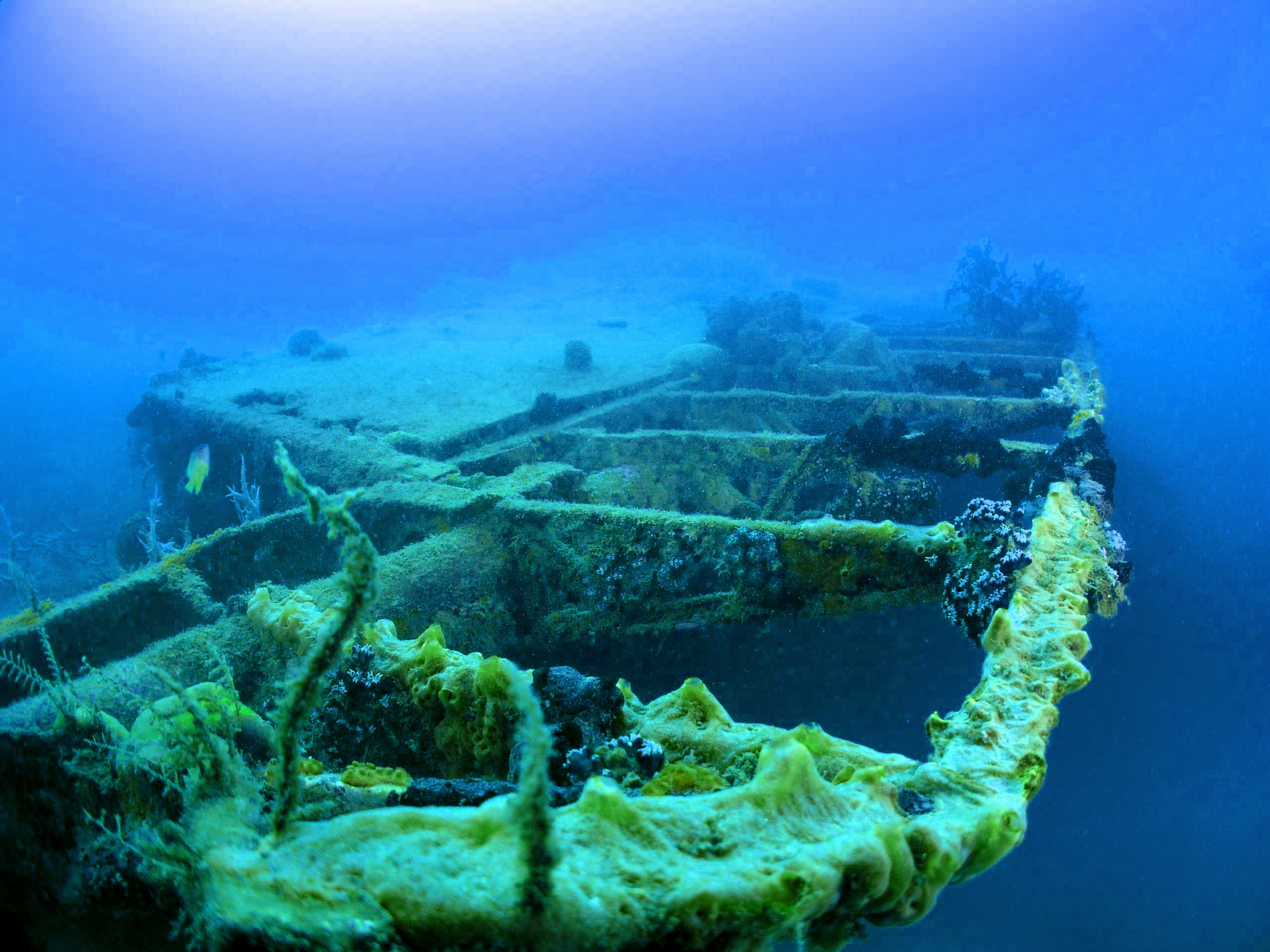
My team then photographed the plane and the observer’s remains, once again notifying the embassy of this new information.
The remains of both MIAs on this wreck are in remarkable condition considering the sixty plus years they have been in the water. I believe this has been assisted by the soft silty bottom that the aircraft lays on.
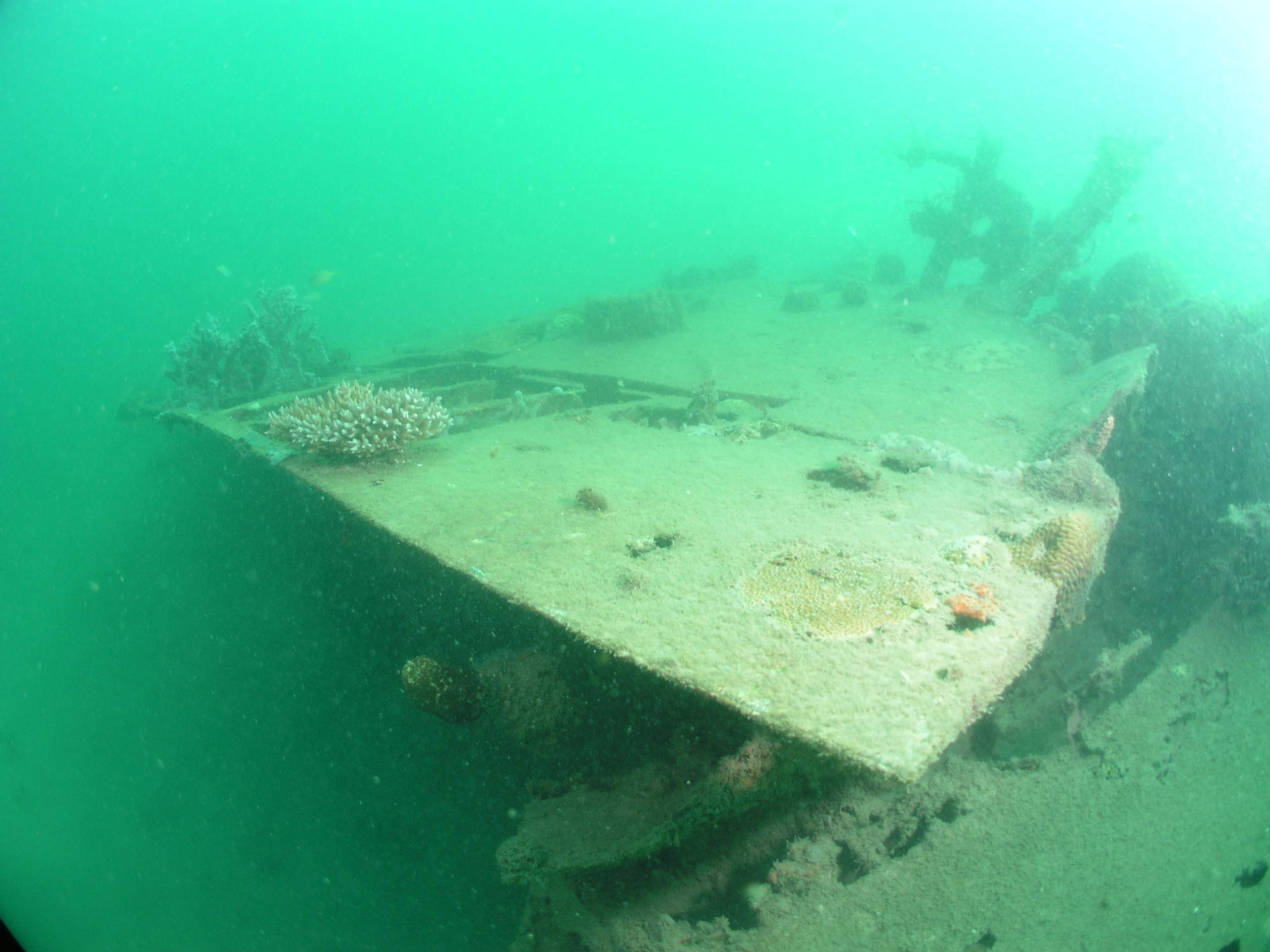
I feel that in many circumstances remains on underwater aircraft are better preserved provided they are covered by silt or sand as was the case with A9-217 (read the full story), than remains on land based aircraft wrecks.
This is probably due to the isolation and limited external interference of these underwater resting places.”
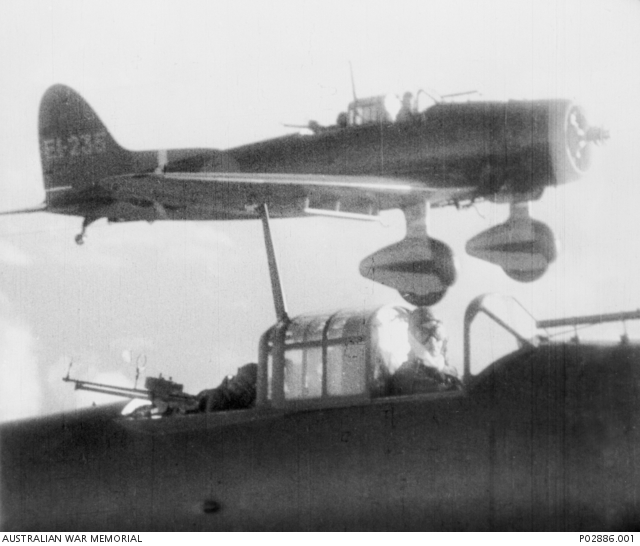
TECHNICAL DATA. D3A1 MD 11
Description: Single engine, Carrier borne and land based dive bomber of metal construction with fabric control surfaces and fixed undercarriage.
Powerplant: Single engine, 14 cylinder air cooled radial made by Mitsubishi Kinsei, rated at 1070 hp for take off power and driving a metal 3 blade propeller.
Crew: Two
Armament: Two forward firing 7.7mm machine guns and one rear firing 7.7 flexable mount; bomb load, 1 X 250 kg fuselage and 2 X 60 kg under the wings.
Units Alloted: Carriers; Akagi, Chitose, Chiyoda, Hirya, Kaga, Ryujo, Soryu, Zuiho, Zuikaku.
Air Groups;(Kokutais): 12th, 14th, 31st, 33rd, 40th, 541st and 582nd.
Dimensions: Span; 14.365 mts
Length: 10.195 mts
Height: 3.847 mts.
Wing Area: 34.9 sq. mts.
Weight empty: 2408 kg
Weight loaded: 3650 kg
Cruising speed: 160 knots
Maximum Speed: 209 knots
Ceiling level: 9300 mts
Range: 795 naut. miles