Puzzle solved! The attack of the Luftwaffe: April 1941, location identified by George Karelas
Shipwrecks, WW2, WW2 in Greece, WW2 WrecksBy Pierre Kosmidis
Research by George Karelas
Photo by Jean-Louis Roba
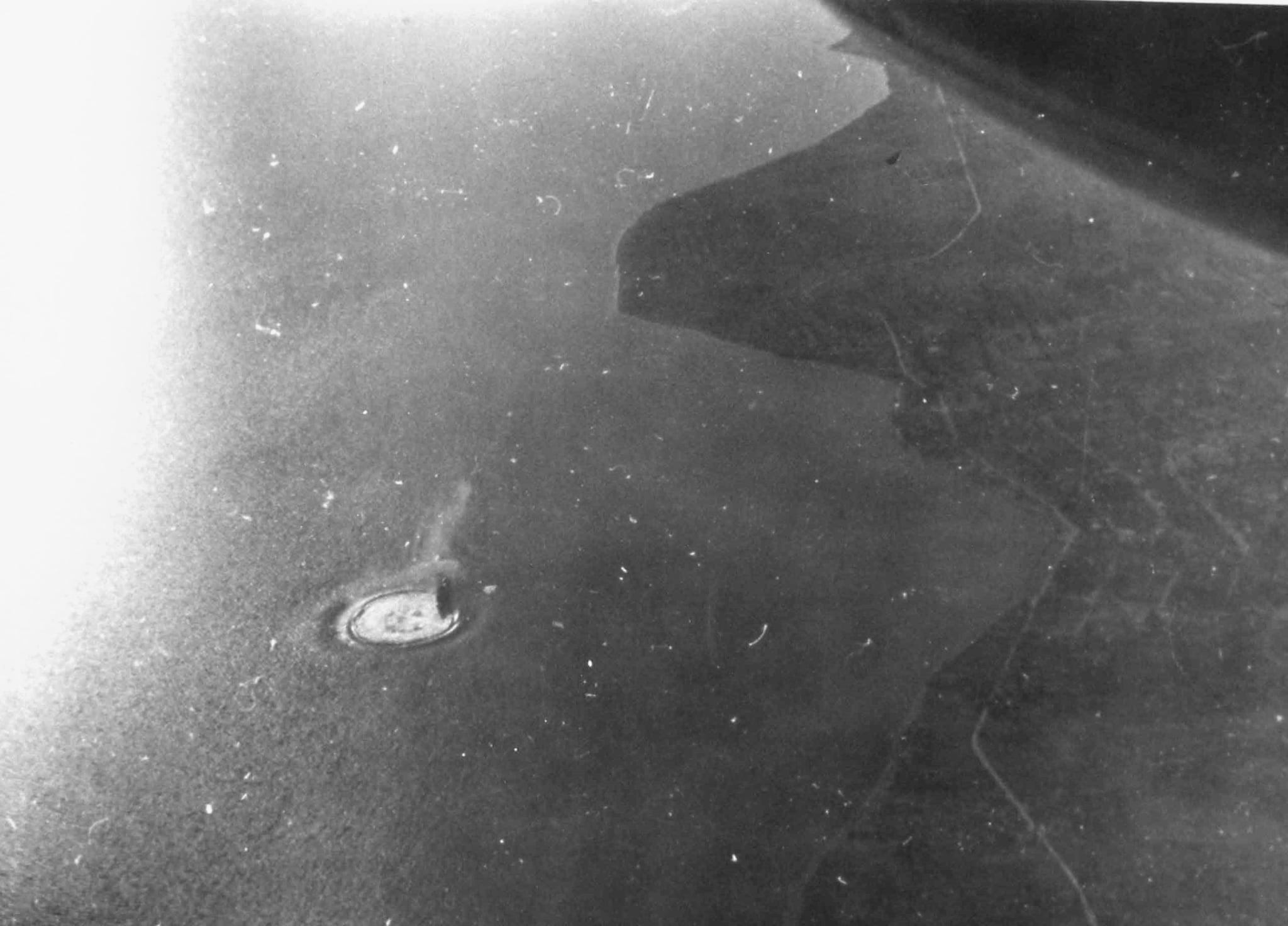
“A picture is worth a thousand words” and in our case, a single photo from the archive of renowned researcher and author Mr. Jean-Louis Roba, tells a story, dating back to April 22, 1941.
George Karelas, a leading researcher and author in Greece, researched the background of this photo and came up with a feasible theory:
“A single photo, which depicts an attack by the German Luftwaffe in April 1941 during the German invasion -Operation Marita- has been the subject of research for me in recent months.
Although the identification of photographs of bombings by Luftwaffe planes during that period is within my field of knowledge, as I have in my collection thousands of archives, photographs and films and having the appropriate knowledge for further research of the above, this particular one has been a great challenge and a difficult puzzle.
The methodology I follow is to try to identify the coastline, find the point of the attack and then find the ship being bombed.
I usually start the research from areas where many Greek or English ships were eventually sunk in 1941.
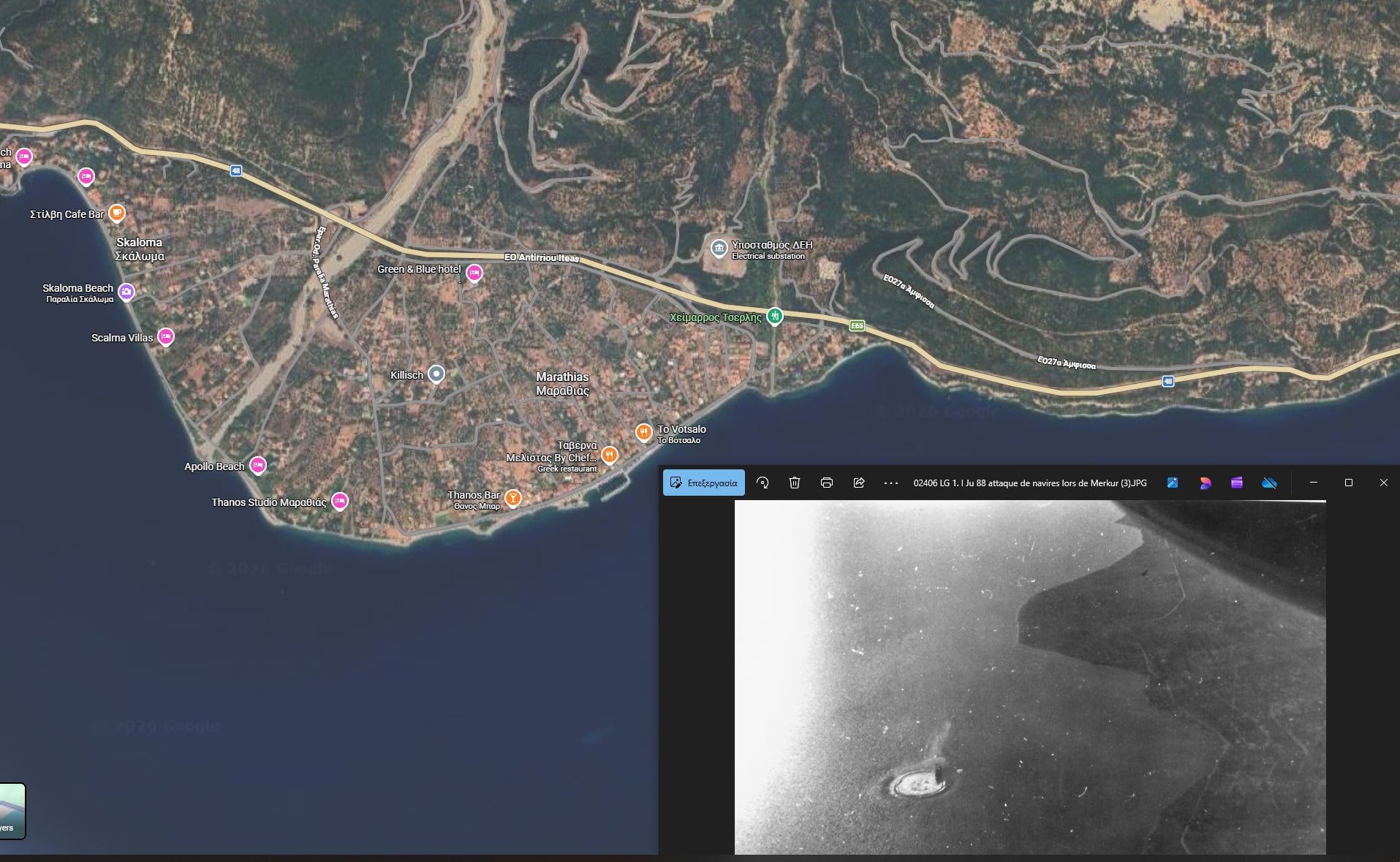
Such areas are the Saronic Gulf, the Corinthian Gulf, the Patraikos Gulf and the Euboean Gulf, that is, places that were mercilessly hit by Luftwaffe bombers during the invasion of April 1941.
At this stage, the search was fruitless until I thought of searching the entire coastline of Greece on Google Earth until I could locate the characteristic coastal road.
The photograph also shows the delta of a river as well as a coastal settlement.
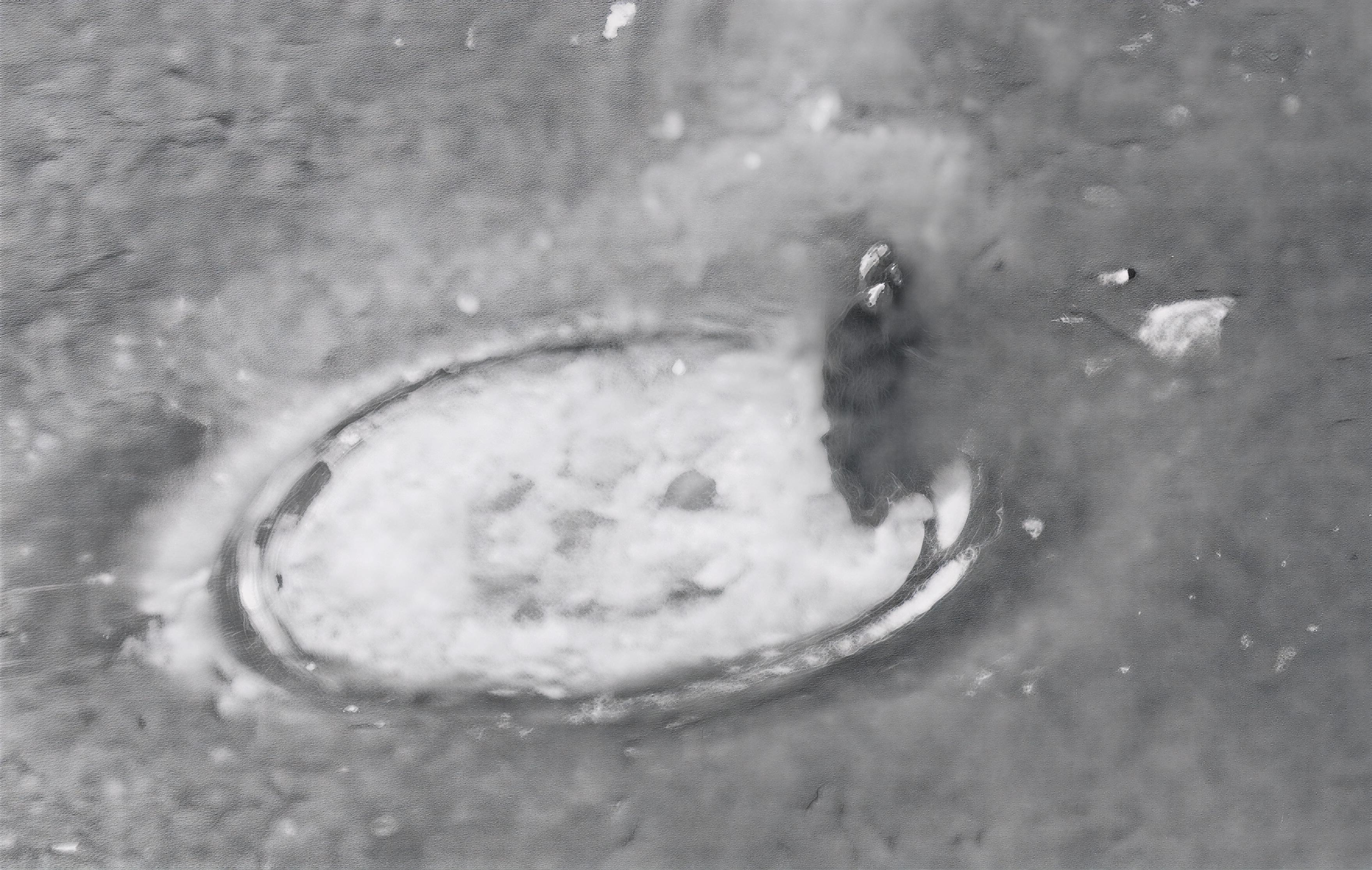
The ship appears to be in motion and the bomb that exploded on its starboard side does not seem to cause any damage, which means that this particular ship probably emerged unscathed from the specific attack.
Finally, after many hours of research, I managed to identify an area that is very similar.
This area is Marathias Doridas in Phocis.
The ship had not been identified to this day.
A first thought was that the ship was the minelayer ship of the Royal Hellenic Navy “Aliakmon” that sank on April 22, 1941 in the bay of Troizonia, a few hundred meters away from the site of the depicted attack.
However, according to the report of the Captain of the “Aliakmon” , Andreas Braessas, the ship was attacked by German planes during its passage to the site, but not there: In the area of the Akrotirion lighthouse in Drepano on the opposite coast of the Peloponnese.
The ship appears to be a Greek freighter, probably without anti-aircraft armament, which was trying to find shelter in a bay in the area.
The steamer “Macedonia” also sank nearby.
It is known that the German pilots of the Stukas and JU88s photographed defenseless merchant ships that they bombed for their propaganda needs and presented them as larger and more heavily armed “English” ships, as they used to say in their news bulletins and write in their propaganda magazines.
Furthermore, if they encountered any resistance, they would leave their cameras and devote themselves entirely to destroying their target.
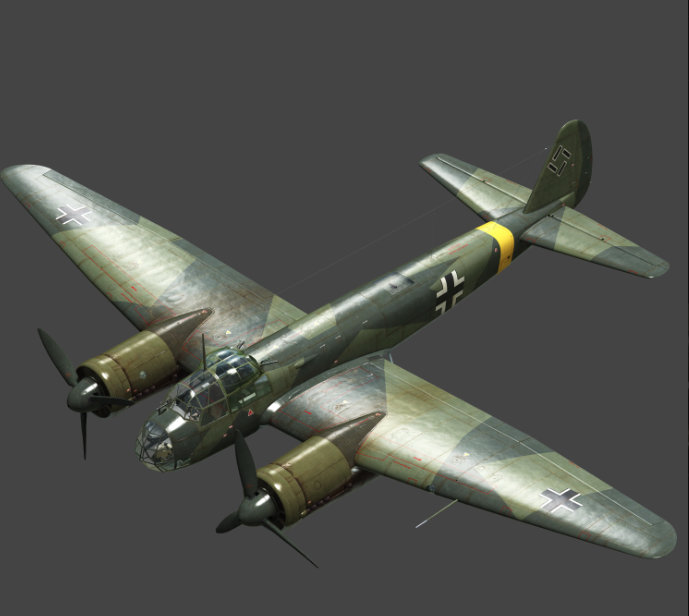
This particular bomber is probably a Junkers 88 (JU 88) as its fixed tail wing, which can be seen in the photo, has a slight curvature, something that the Stuka (Ju 87) did not have.