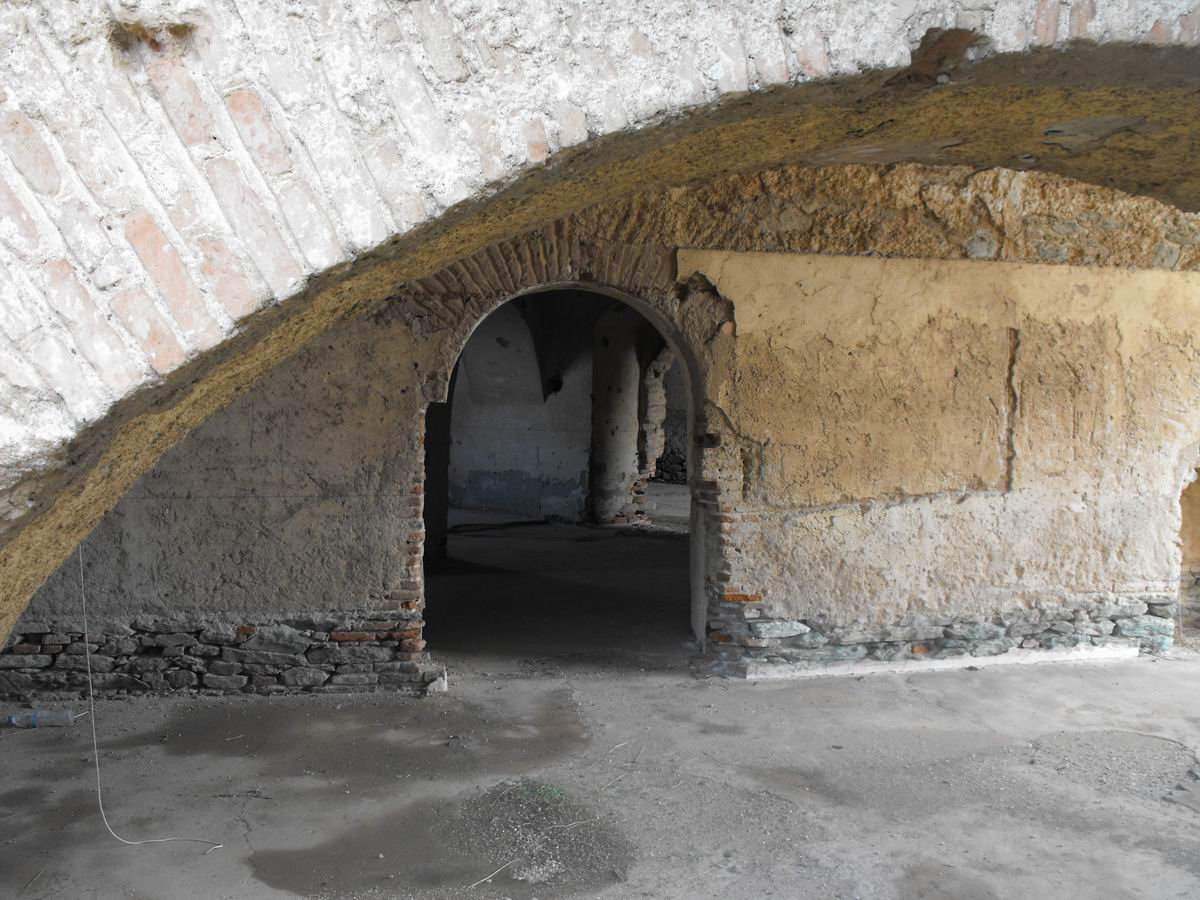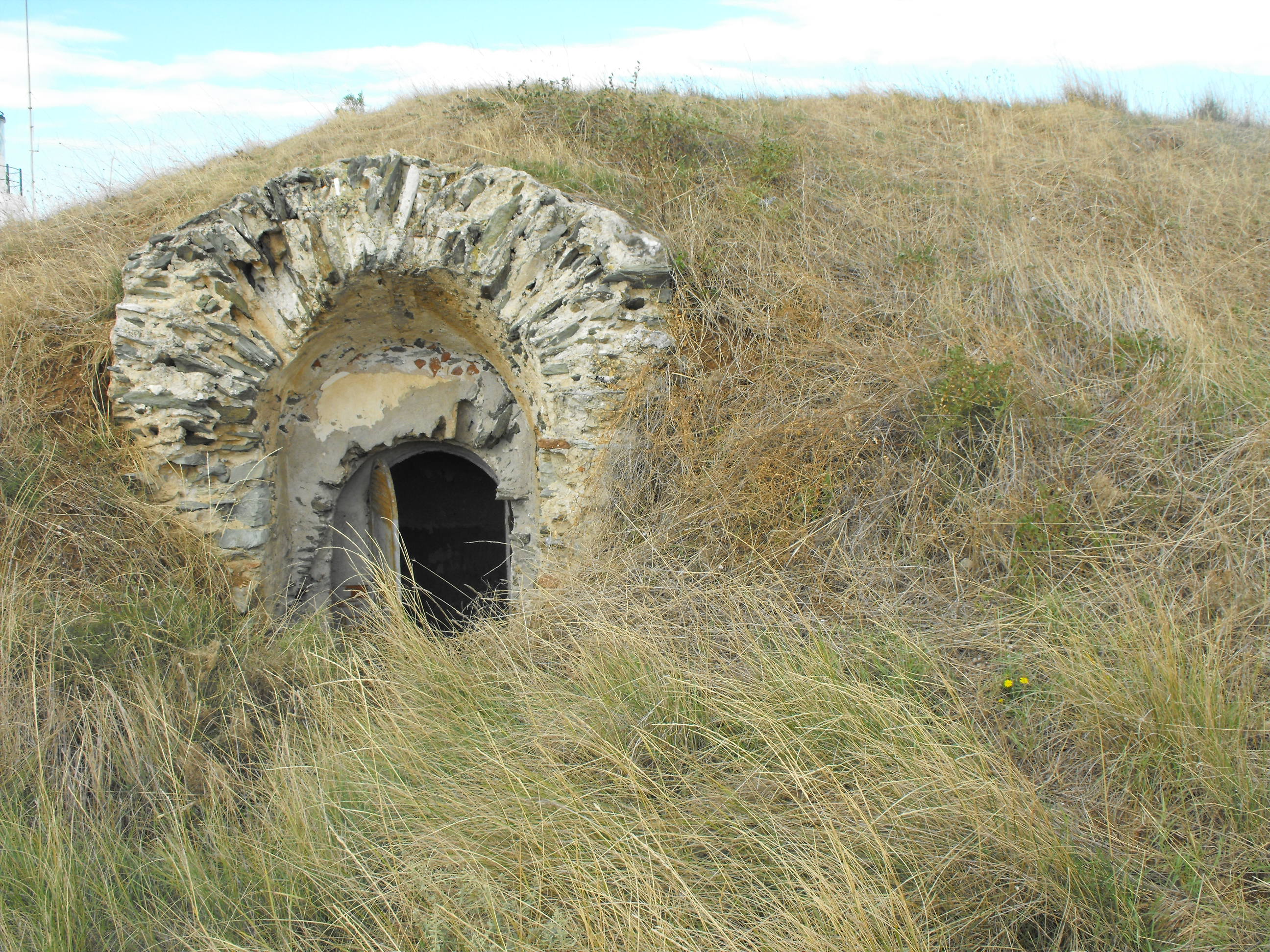

Bunker Archaeology: Exploring the 19th century fortifications of Thessaloniki, Macedonia, Greece
Bunker ArchaeologyBy Pierre Kosmidis
Photos and research by Xenis Sofronidis, used by permission
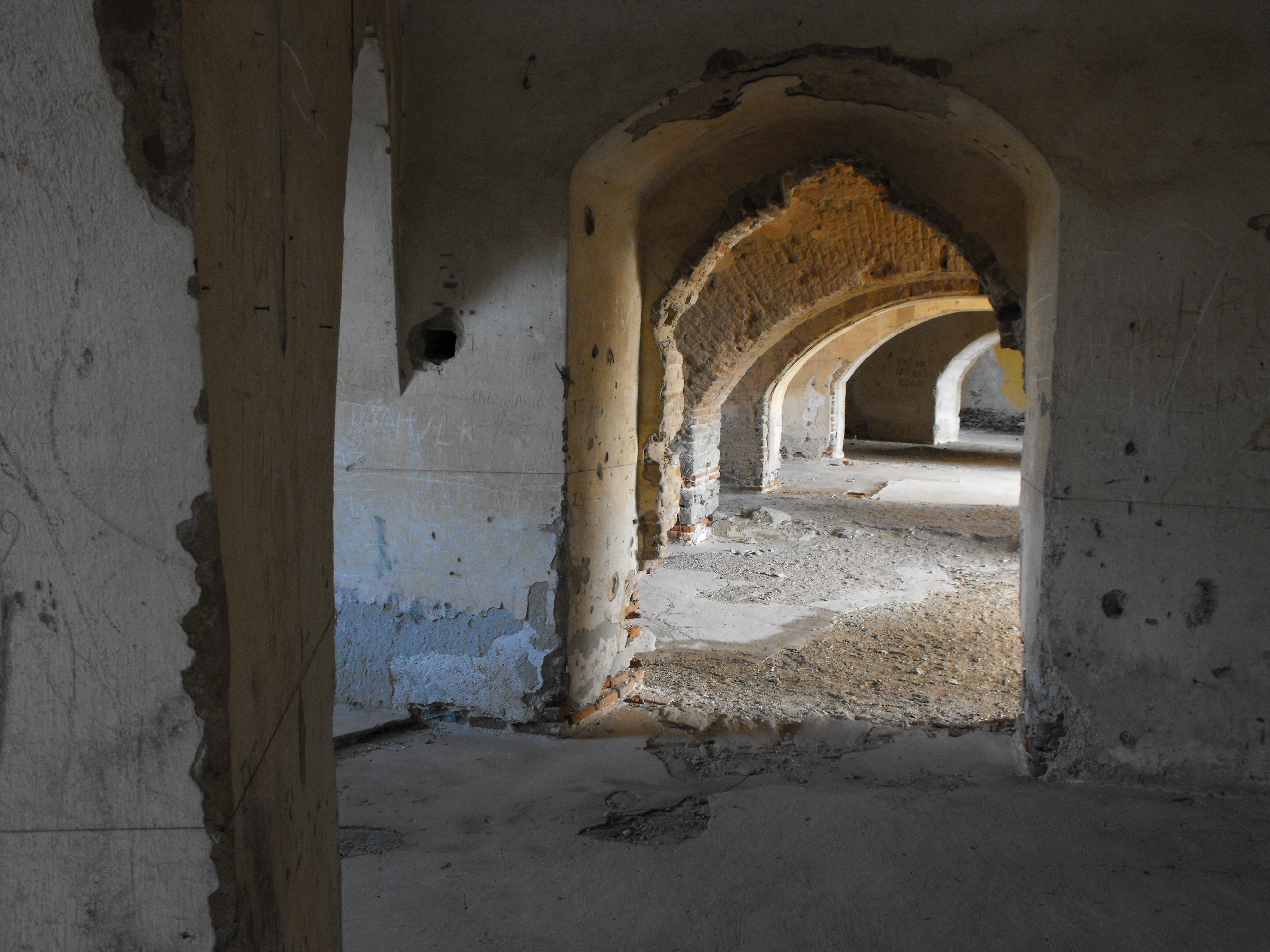
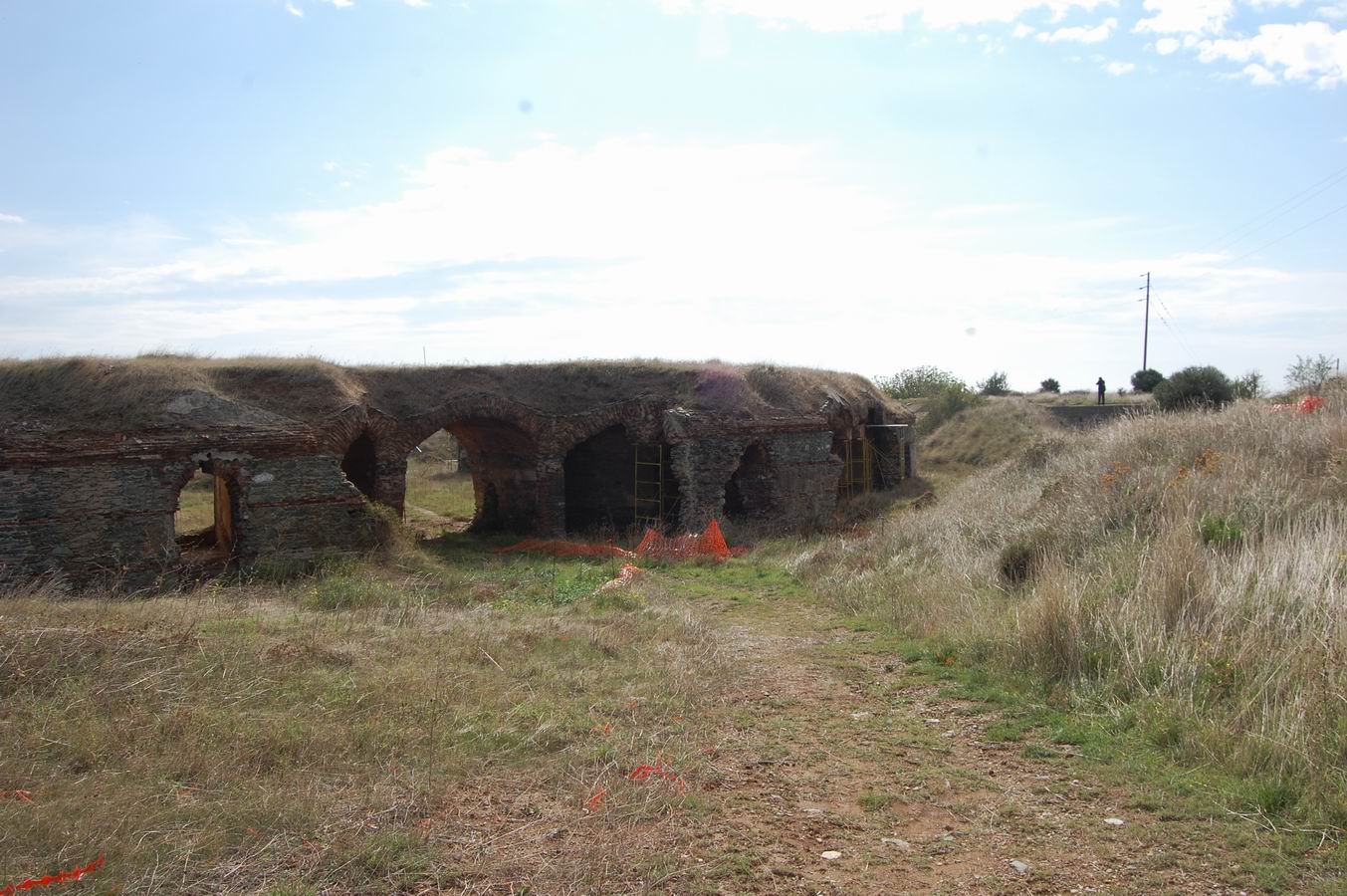
Greek Army Major Nikolaos Schinas in his book “Traveling in Macedonia”, published in 1886, details the defenses of Thessaloniki at the end of the 19th century, while the city was still under Ottoman occupation.”
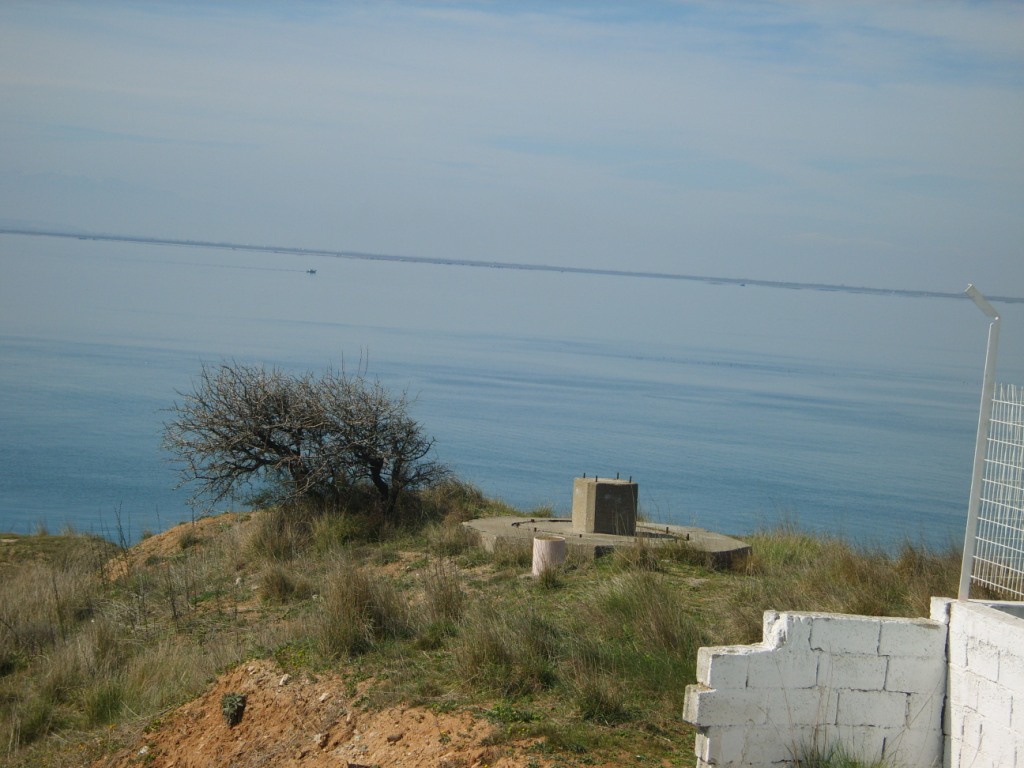
“The details provided by Major Schinas are the first to testify the construction of those fortifications in the mid 1880s.
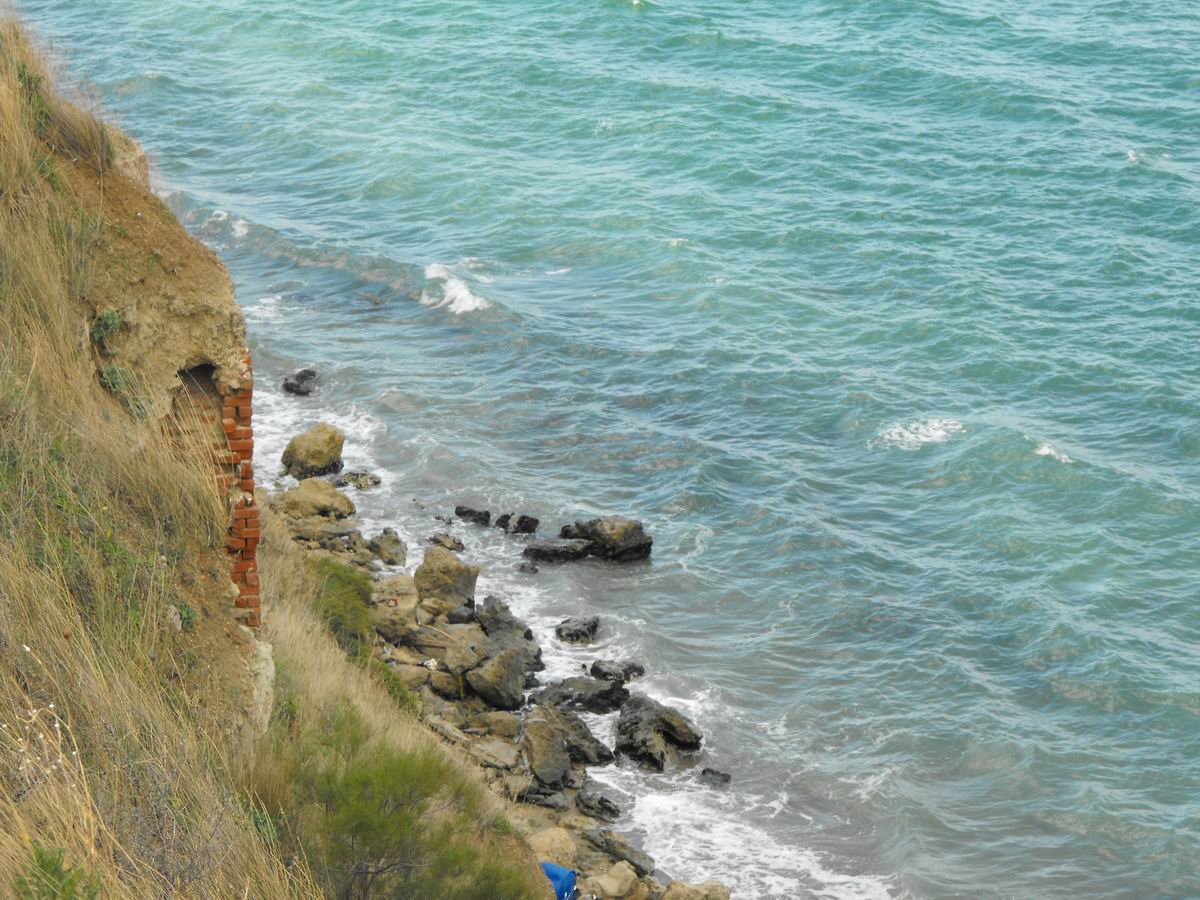
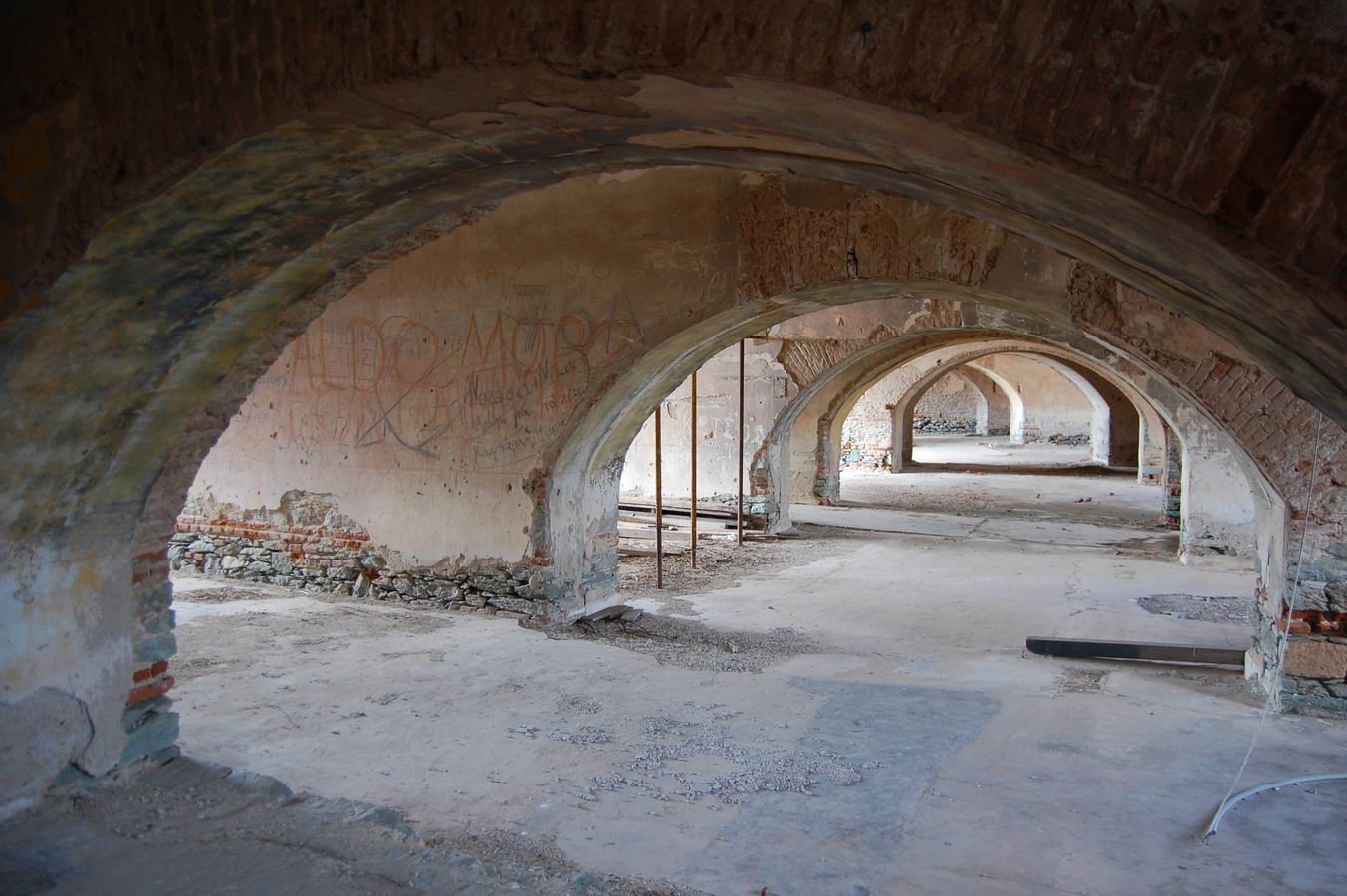
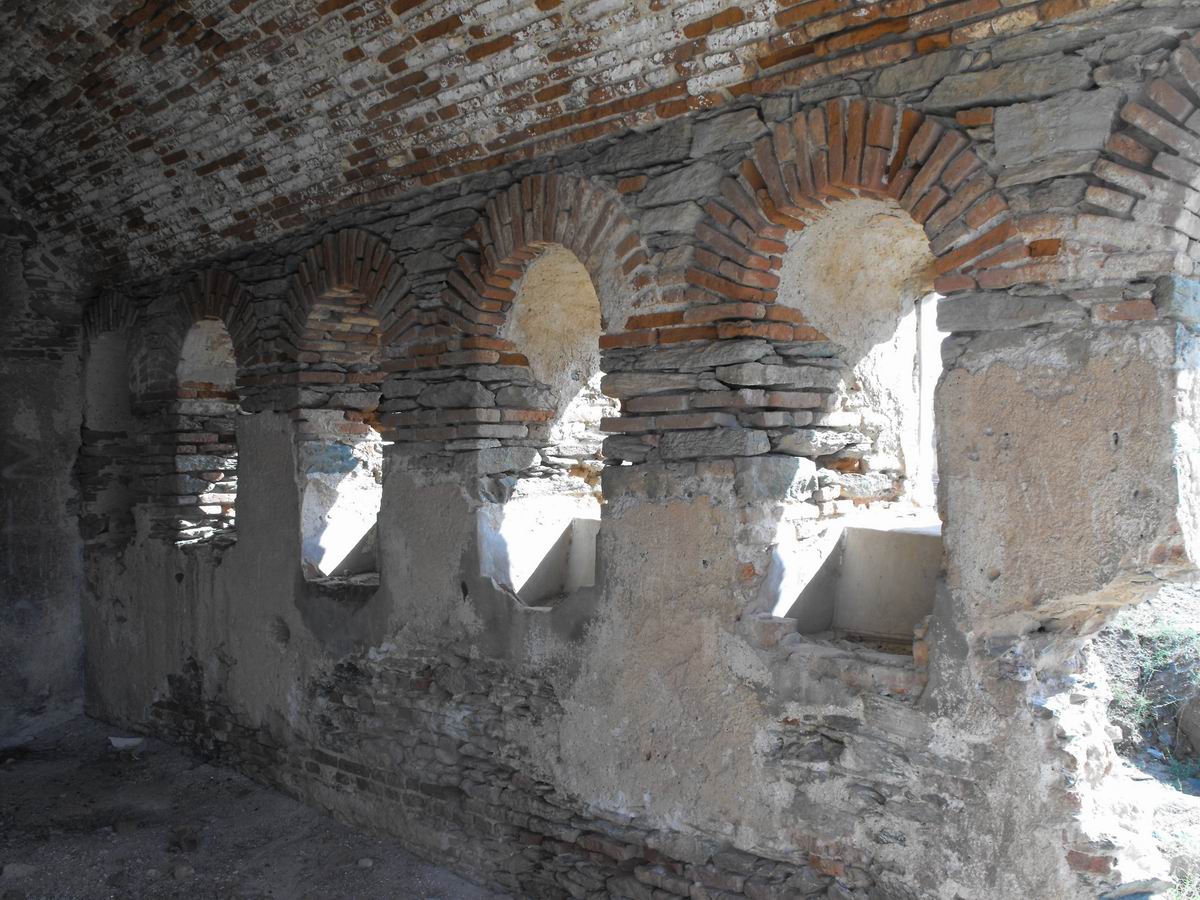
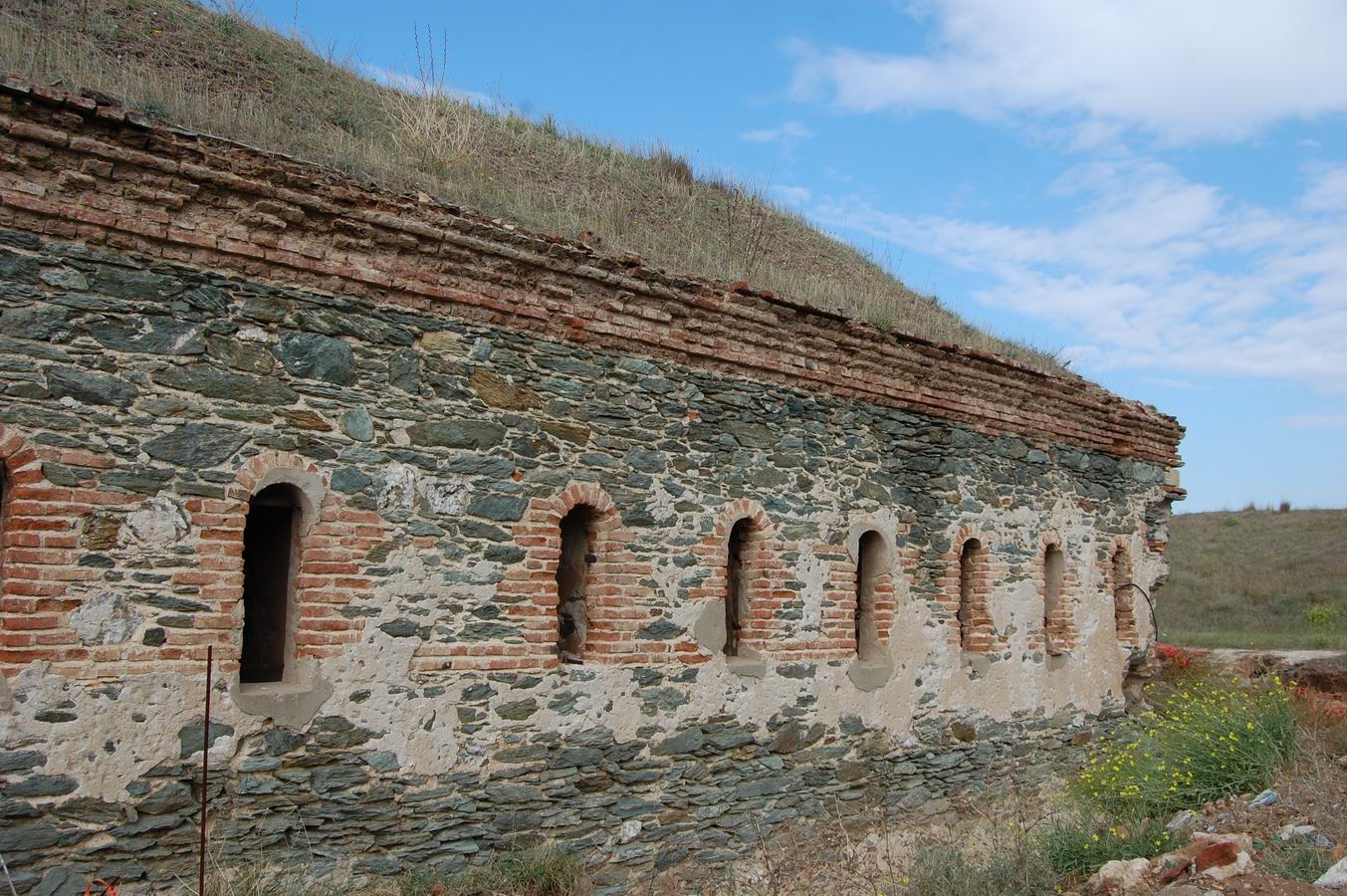
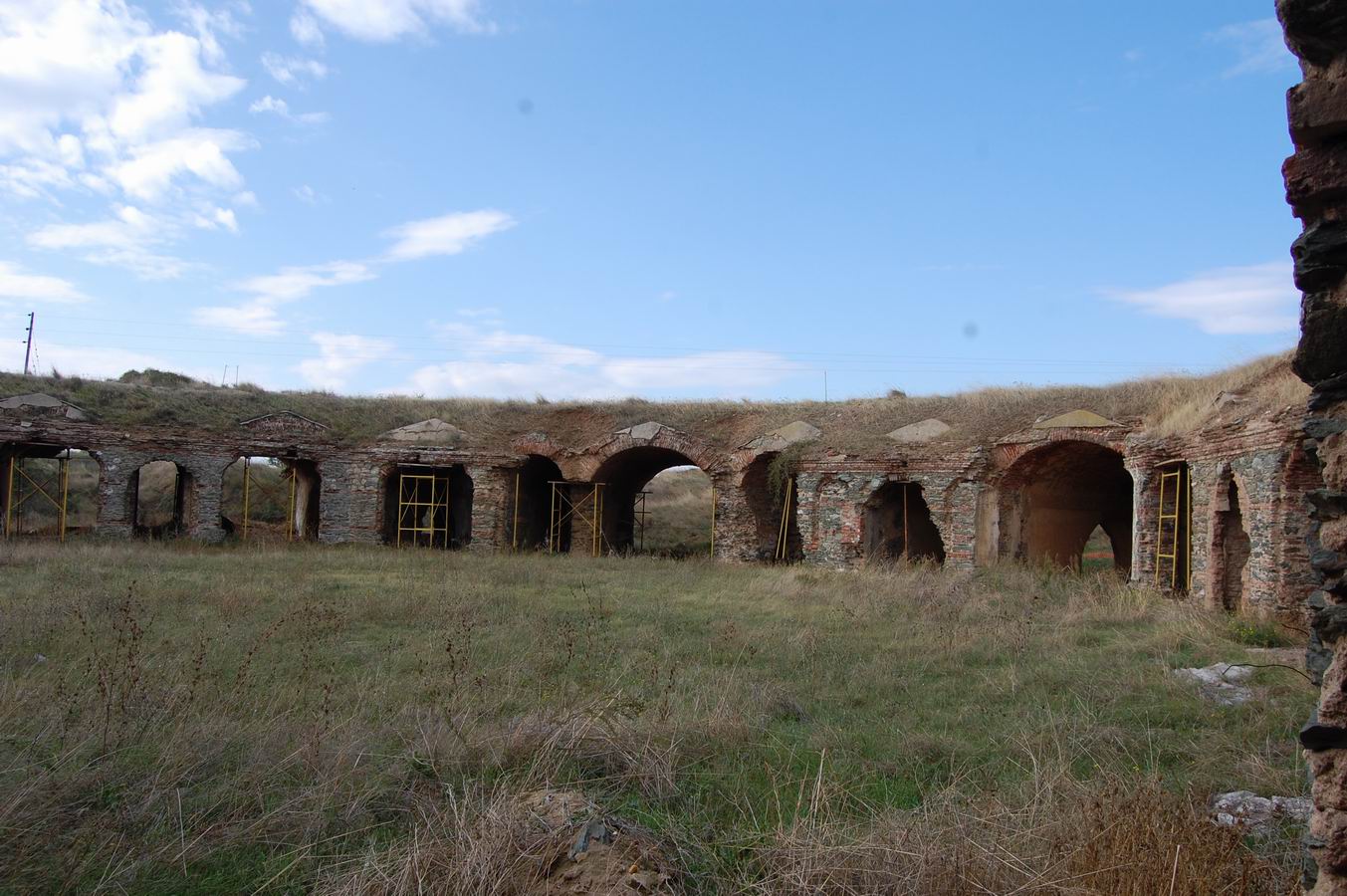
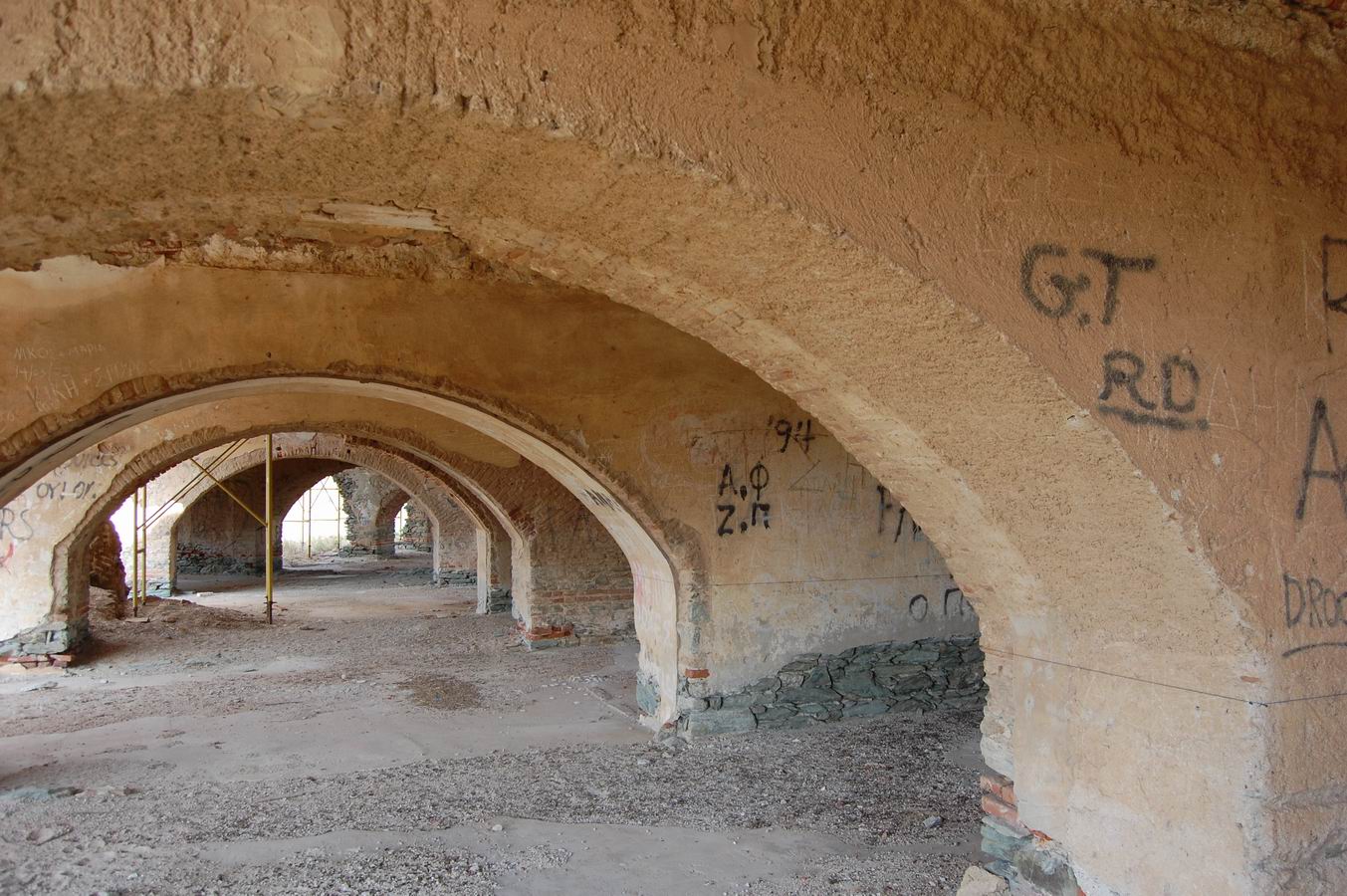
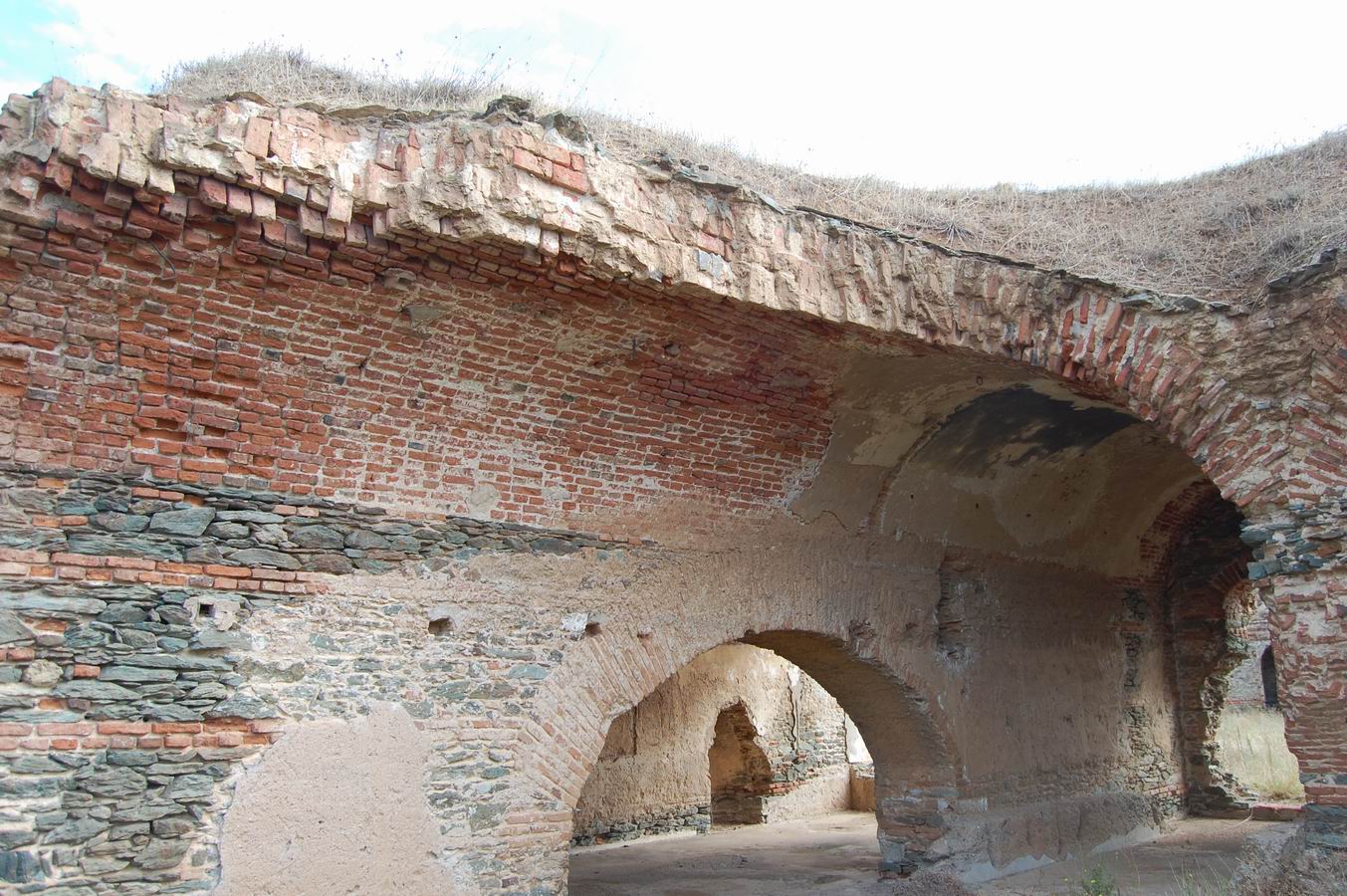
“Its recent construction is underlined by the fact that they were still lacking the big guns expected to arrive in Thessaloniki from Constantinople. These fortifications, according to Schinas, would be guarded by a Turkish Army engineers’ battalion, so it should be considered that the barracks were originally home to some 300 soldiers and officers.” Mr. Xenis Sofronidis notes.
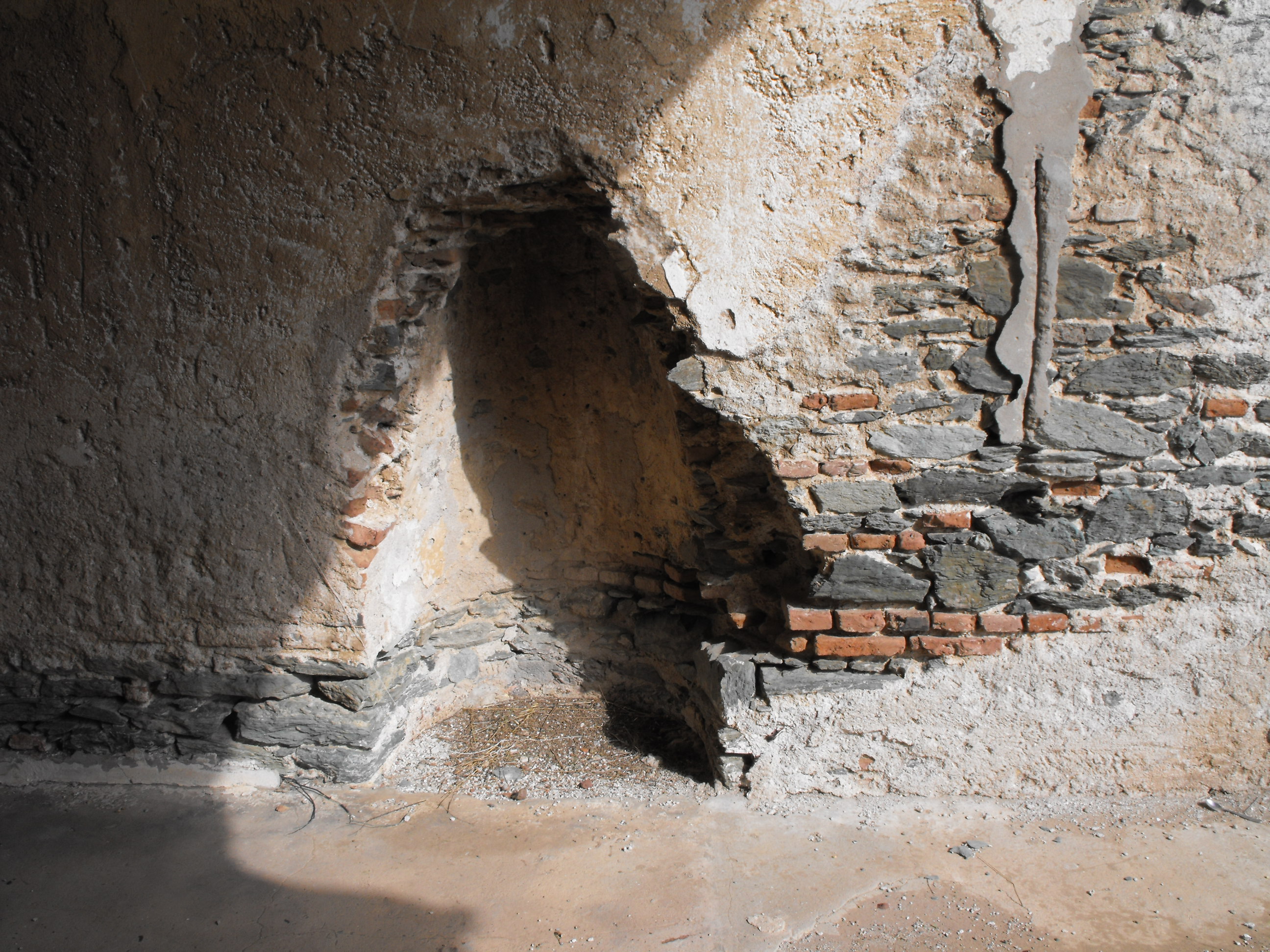
The impressive Karabournou fortresses are built when a German officer undertakes the reorganisation of the Turkish army. His name: Wilhelm Leopold Colmar Freiherr von der Goltz , also known as Goltz Pasha.
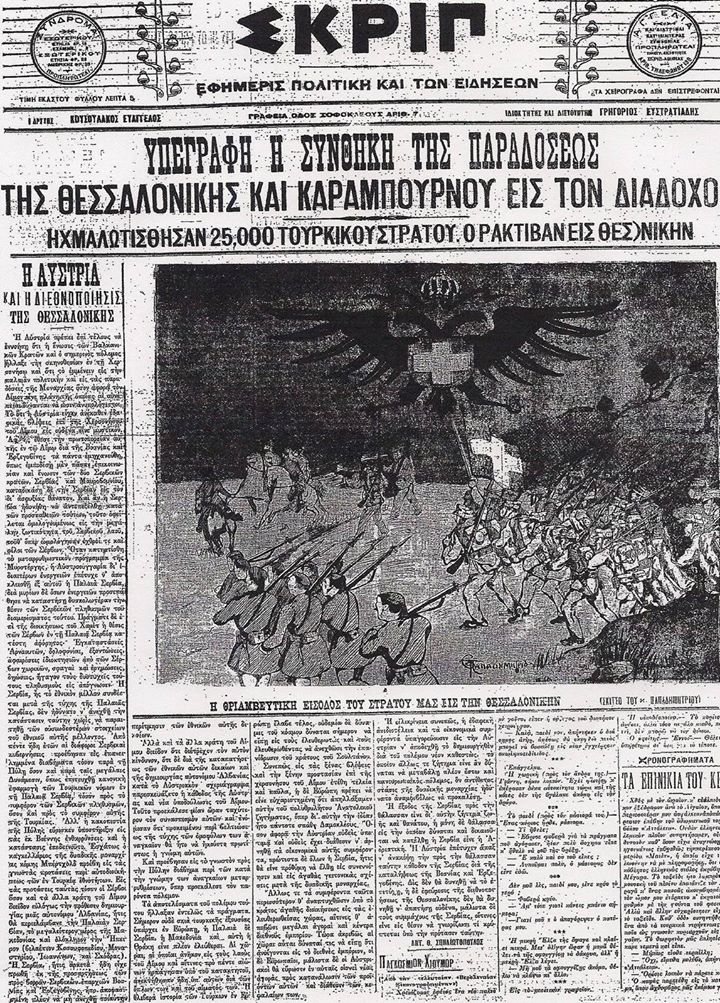
“We can safely link the construction of the fortified artillery positions by the Turks under the guidance of the German officers under Wilhelm Leopold Colmar Freiherr von der Goltz, who was also involved with the defenses of the then controlled by the Turks Ioannina city in Epirus, Greece”.
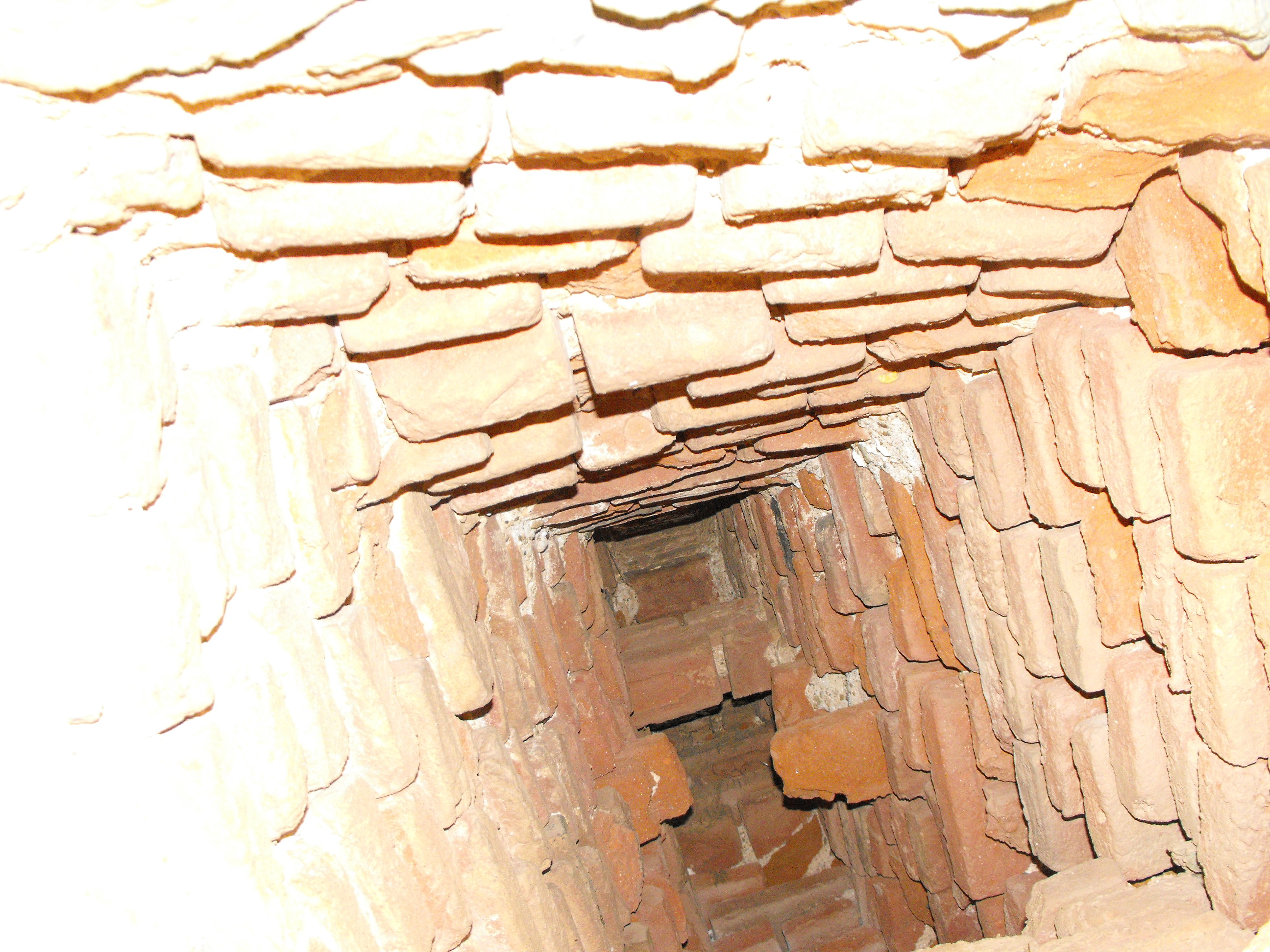
“In 1910 he drafted the plans of the defensive line around Ioannina, which included the fortress of Bizani. His own strategic plan had already been implemented during the Greek-Turkish war of 1897.”, Mr. Sofronidis adds.
Goltz, who learned to speak fluent Turkish, was a much admired teacher, regarded as a “father figure” by the cadets, who saw him as “an inspiration.” Attending his lectures, in which he sought to indoctrinate his students with his “nation in arms” philosophy, was seen as “a matter of pride and joy” by his pupils.
As a result, it was the Ottoman army rather the German army which first embraced Goltz’s “nation in arms” theory as the basis of its understanding of war. After some years he was given the title Pasha (a signal honor for a non-Muslim) and in 1895, just before he returned to Germany, he was named Mushir (field-marshal).
His improvements to the Ottoman army were significant. It is noteworthy that in the Greco-Turkish War (1897), the Turkish army stopped just before Thermopylae, only when the Czar Nicholas II of Russia threatened the Ottoman Sultan that he would be attacking the Ottoman Empire from eastern Anatolia unless the Ottoman Army stopped their campaign at that point.
Mr. Sofronidis adds: “In 1912 during the Balkan Wars, the Turks, having severe supply difficulties and retreating in most fronts, decided to strengthen the Karabournou Fortress. Therefore, they moved an old cruiser, the Fetih-I Bulent, into the port of Thessaloniki and afterwards they removed the cruiser’s big guns and placed them in Tuzla-Karabournou area, fearing an attack by the Greek Fleet. They left on board Fetih-I Bulent the light guns, as a boost to the defense of the western entrance of Thessaloniki.”
During World War 1, Greece was essentially divided between the forces loyal to the King, who was pro German and the forces who were loyal to the elected government, who was pro Anglo-french. The fortress, which was under the control of the Greek Army loyal to the King, was captured on January 16th, 1916 by elements of the “Entente Cordiale”, under French General Maurice-Paul-Emmanuel Sarrail after a surprise attack”.